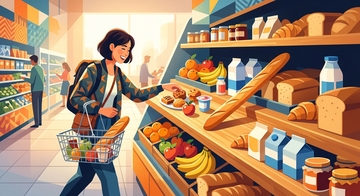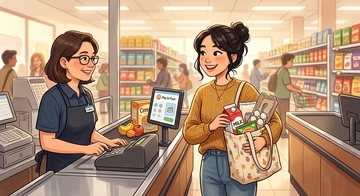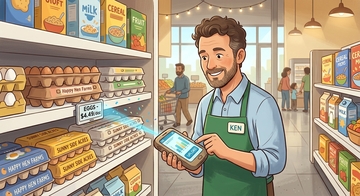
Food prices remain high in many countries. So, shoppers are changing the size of what they buy. A recent survey found growing interest in smaller packs. Almost half of shoppers said they buy them. (capgemini.com)
A small pack has a lower price at checkout. This helps people with a tight weekly budget. However, it may have a higher “unit price.” Unit price means the cost for the same amount. A large bag can be cheaper for each gram. But its total price is higher.
Imagine a shopper needs coffee before payday. A large bag costs $12. A small bag costs $5. The large bag offers better value over time. Still, the shopper chooses the small one today. This leaves money for bread, milk, and dinner.
Small packs can also reduce food waste. This is useful for people living alone. However, shoppers should check both prices carefully. The cheapest pack today may cost more over time. (asiae.co.kr)
Buying small is not always poor planning. Sometimes, it is a useful way to control spending.