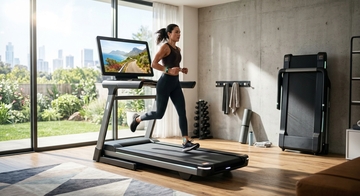
Running is enjoying a strong boom. In 2025, running remained the most popular activity on Strava, while the number of running clubs grew 3.5 times compared with the previous year. This growth is not only filling streets and races. It is also changing the treadmill. (press.strava.com)
Traditional treadmills require runners to select a speed and incline. However, newer machines can react to the runner. For example, Wahoo’s KICKR RUN uses an optical sensor to check the runner’s position. When the person runs faster, the belt speeds up. When the person slows down, the belt does the same. The machine can also change its angle to create a feeling closer to outdoor running. (support.wahoofitness.com)
Other smart treadmills automatically adjust the speed and incline during virtual courses. Some can use heart-rate information to make a workout easier or harder. Runners can follow online coaches, enjoy routes filmed around the world, and record information such as pace and cadence. This development matches a wider fitness trend: wearable technology and mobile exercise apps were the top two fitness trends in an international 2025 survey. (nordictrack.com)
Interestingly, treadmills are developing in two different directions. Some curved models have no motor and need no electricity. The runner’s own movement controls the belt. At the same time, companies are making smart treadmills that are smaller and easier to store. In September 2026, Peloton introduced its first foldable treadmill, together with models offering camera-based running analysis. (assaultfitness.com)
Outdoor running still offers fresh air and changing scenery. However, when it is dark, extremely hot, or raining, an advanced treadmill can provide a valuable alternative. The treadmill of the future is no longer just a moving belt. It is becoming a personal training partner.