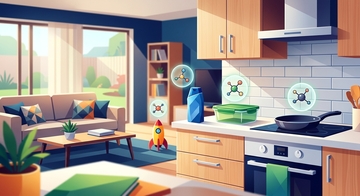
Look around your home. A plastic food box, a non-stick pan, a child’s toy, or a bottle of shampoo may contain chemicals that affect the body’s natural hormone system.
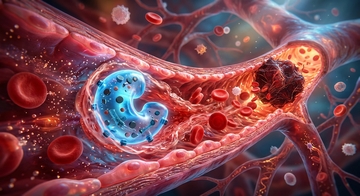
On November 17, 2026, the United Nations Environment Programme and the World Health Organization published a major report about endocrine-disrupting chemicals, or EDCs. Hormones control important processes such as growth, reproduction, and the way our bodies use energy. EDCs can change how these hormones are produced or how they work. (unep.org)
EDCs may be found in food packaging, cosmetics, cookware, toys, clothes, furniture, and building materials. Common examples include bisphenols and phthalates in some plastics, PFAS in some water-resistant products, and parabens in personal-care products. People may take these chemicals into their bodies through food, water, air, dust, or direct contact with products. (unep.org)
Scientists have found stronger evidence connecting some EDCs with fertility problems, changes in brain development, and problems involving the immune system and metabolism. Children and unborn babies may be especially sensitive because hormones are important during early development. However, finding a certain chemical group in a product does not always mean that the product is dangerous. The risk depends on the exact chemical, the amount, and the timing of contact. (unep.org)
The report says that more than 350,000 chemicals and chemical mixtures are registered worldwide, but only a small percentage have been tested for their effects on hormones. It calls for better testing, clearer product information, and stronger safety rules. (who.int)
Consumers can also reduce contact with some chemicals. For example, they can use glass or stainless-steel containers for storing and heating food, choose products with clear ingredient information, and regularly open windows to bring fresh air into the home. Still, the UN stresses that personal choices are not enough. Governments and companies must make sure that safer products reach everyone.