AI needs powerful computers, and these computers are often kept in huge buildings called data centers. As AI services grow, companies want to build more of these centers. However, many people do not want them near their homes.
In November 2026, opposition to data centers became an important election issue in the United States. Voters in several towns supported stronger rules or temporary stops on new projects. A national poll also found that about three out of four voters opposed a new data center in their own community. (apnews.com)
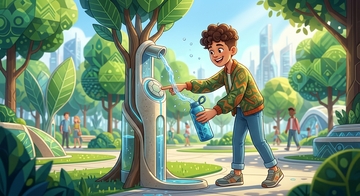
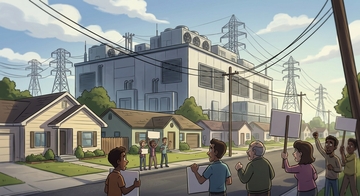
Residents have several concerns. Data centers use large amounts of electricity, and some people fear that their electricity bills will rise. The buildings may also need water to keep their computers cool. This is especially worrying in places where water is already limited. People living near existing centers have also complained about constant noise from cooling equipment and backup generators. (news.gallup.com)
In California, residents have placed protest signs outside their homes and asked local governments for more information about proposed projects. They want officials and companies to clearly explain how much water and energy the centers will use. (kqed.org) In Aurora, Colorado, the mayor recently supported a temporary pause after becoming concerned about a very large center planned near a residential area. (axios.com)
Supporters say data centers can create construction jobs, bring tax money to towns, and support useful AI technology. Still, critics argue that the number of permanent jobs may be small compared with the centers’ environmental effects.
Most residents are not simply saying “no” to technology. They are asking an important question: Who receives the benefits, and who pays the price? If companies want local support, they may need to listen more carefully, share information openly, and protect the people who already live there.