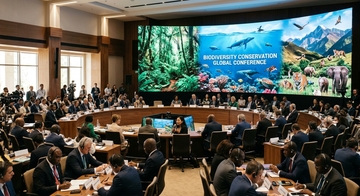
Biodiversity means the variety of plants, animals, and other living things on Earth. It supports our food, clean water, health, and economy. From October 19 to 30, 2026, governments are meeting in Yerevan, Armenia, for Biodiversity COP17. Their main task is to check whether the world’s plan to protect nature is working. (cbd.int)
The plan, agreed in 2022, has 23 targets for 2030. One famous target is to conserve 30% of the world’s land and sea. Other targets include restoring damaged ecosystems, reducing pollution, controlling invasive species, and finding more money for nature protection. (cbd.int)
The latest UN review shows both progress and serious problems. Nearly 90% of countries have set national biodiversity targets. About 60% have prepared national action plans, and more than 70% have submitted progress reports. However, fewer than half of the national targets that countries assessed are on track. Current promises are also not enough to conserve 30% of land and sea by 2030. (cbd.int)
There are some positive signs. Countries reported that 193 million hectares of land were under restoration by 2025. Many countries have also included species protection and climate action in their plans. However, action is often slower in oceans, rivers, and coastal areas. Another problem is weak monitoring: fewer than 1% of national reports include information showing how ecosystems have changed over time. (cbd.int)
Money remains a major issue. Developing countries need financial and technical support, while governments must also reduce subsidies that harm nature. At COP17, countries are still discussing finance, monitoring, and stronger action. As of October 24, the conference has not finished, so there is no final agreement yet. (enb.iisd.org)
So, is the global promise moving forward? Yes—but mainly from words to plans. To protect nature successfully, countries must now turn those plans into faster, well-funded action.