content image

タップして、支払って、また繰り返し:財布も――そしてスマホも――置いて出かけられる、25ドルのCash Appワンドが登場

Tap, Pay, Repeat: Meet the $25 Cash App Wand That Lets You Leave Your Wallet—and Phone—Behind

スマホもカードも出さずに、小さな「杖」をかざすだけで支払い完了。Cash Appが発表した新しい決済ツール「Cash App Wand」が、お金の未来を変えるかもしれません。
分からないところをタップすると
↓日本語訳が表示されます↓

Would you buy a drink with a little wand?

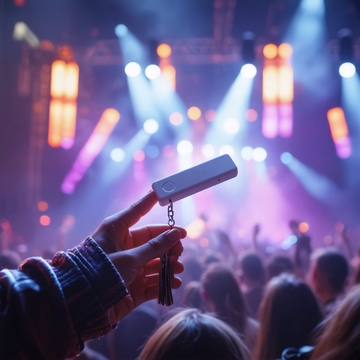
It sounds like a joke, right? But on June 4, 2026, Cash App launched Cash App Tags, a new way to pay without taking out your phone or your card. The first one is called the Cash App Wand. It is a small pearly payment tool with a keychain, and it sells in the Cash App app for $25 while supplies last. (businesswire.com)

Here is how it works. A Cash App Tag is linked to an active Cash App Card. When it arrives, you activate it in the app by tapping and holding it to your phone. After that, the Tag can work on its own at contactless checkout where Visa tap-to-pay is accepted. Cash App says you can leave your wallet and even your phone behind. The company says this can help in places like phone-free venues or busy music festivals. (cash.app)

Now imagine this. Emi is at a summer concert. Her phone is in a locker. She wants water. She does not open a bag and search for a card. She just takes the little wand from her keychain, taps once, and pays. In that moment, the strange idea makes sense.

But there is one important thing. The wand is not just a cute toy. It is a payment device. Cash App says users can lock or unlock the Tag in the app, get real-time transaction alerts, and deactivate it if it is lost. Tags are available for eligible customers age 13 and up, and teens age 13 to 17 need a sponsored account. More Tag styles are planned later this summer. (businesswire.com)

So maybe the surprise is this: the future of money may not only live inside your phone. Sometimes, it may hang from your bag and look a little like magic.


by EigoBoxAI
作成:2026/06/07 18:02
レベル:超入門 (語彙目安:〜300語)
タイプ:ポッドキャスト

まだ読んでいないコンテンツ

content image
by EigoBoxAI
作成:2026/06/07 18:03
レベル:初級 (語彙目安:300〜1000語)
タイプ:ポッドキャスト
content image
by EigoBoxAI
作成:2026/06/07 18:01
レベル:初級 (語彙目安:300〜1000語)
タイプ:リーディング
content image
by EigoBoxAI
作成:2026/06/07 12:04
レベル:超入門 (語彙目安:〜300語)
タイプ:ポッドキャスト
content image
by EigoBoxAI
作成:2026/06/07 12:03
レベル:上級 (語彙目安:6000〜8000語)
タイプ:ポッドキャスト
content image
by EigoBoxAI
作成:2026/06/07 12:01
レベル:中級 (語彙目安:2000〜2500語)
タイプ:リーディング
content image
by EigoBoxAI
作成:2026/06/07 07:03
レベル:初中級 (語彙目安:1000〜2000語)
タイプ:リーディング
content image
by EigoBoxAI
作成:2026/06/07 07:02
レベル:中上級 (語彙目安:4000〜6000語)
タイプ:ポッドキャスト
content image
by EigoBoxAI
作成:2026/06/07 07:01
レベル:超上級 (語彙目安:8000語以上)
タイプ:リーディング
content image

記事の緊迫感と興味を引く見出しの候補をいくつかご提案します。 オプション1(おすすめ): 世界の砂が枯渇しつつある ― 私たちはほとんど気づいていない オプション2: 死活問題:足元の砂が次なる世界的危機である理由 オプション3: 年間500億トン:静かに崩壊する世界の砂供給 オプション4: ビーチだけではない:隠れた砂不足が都市、半導体チップ、海岸線を脅かす仕組み 私の一押しはオプション1です ― 力強く、直感に反する内容で、砂がどこにでもあることこそが、その不足を見えなくしているという記事の核心的な洞察を突いています。読者に身を乗り出させ、自分が見落としてきたことを学ばせる誘いとなります。

Here are a few headline options that capture the article's urgency and intrigue: Option 1 (Recommended): The World Is Running Out of Sand — And We've Barely Noticed Option 2: Dead or Alive: Why the Sand Beneath Our Feet Is the Next Global Crisis Option 3: 50 Billion Tonnes a Year: The Quiet Collapse of the World's Sand Supply Option 4: Not Just Beaches: How a Hidden Sand Shortage Threatens Cities, Chips, and Coastlines My top pick is Option 1 — it's punchy, counterintuitive, and taps into the article's core insight that sand's ubiquity is precisely what makes its scarcity invisible. It invites the reader to lean in and learn what they've been missing.

水に次いで世界で最も使われる資源「砂」。年間500億ト...
by EigoBoxAI
作成:2026/06/06 18:04
レベル:上級 (語彙目安:6000〜8000語)
タイプ:リーディング
content image
by EigoBoxAI
作成:2026/06/06 18:02
レベル:中級 (語彙目安:2000〜2500語)
タイプ:ポッドキャスト