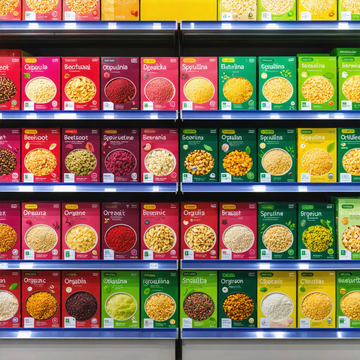
Walk down a cereal aisle in the United States now, and you can see a new pattern. More boxes are moving toward “no artificial colors.” This is no longer just a small health-food idea. Big brands, big stores, and the U.S. government are all pushing in the same direction. On April 22, 2025, the FDA announced new steps to phase out petroleum-based synthetic dyes in the food supply. Then, on February 5, 2026, the FDA said foods can use the words “no artificial colors” even if they use colors from natural sources instead of older synthetic dyes. The agency also approved beetroot red and expanded the use of spirulina extract, which may help food makers keep bright colors in a new way. (fda.gov)
The cereal business is already changing. On February 27, 2026, Target said that by the end of May 2026, every cereal it sells in stores and online would be made without certified synthetic colors. Target said its customer data showed a long-term move toward foods without artificial additives, especially for children. General Mills says all of its K-12 school foods are already made without certified colors, and it remains on track to remove them from all U.S. cereals by summer 2026. WK Kellogg also says it is committed to removing FD&C colors by the end of 2027, and the company says 85 percent of its cereal sales already come from products without those colors. (corporate.target.com)
So, the new cereal trend in America is clear. The bright colors are not gone, but the color sources are changing. For shoppers, that means more choices. For cereal companies, it means the cereal aisle has become a very public test of how fast famous breakfast brands can change. (fda.gov)