For Americans hoping for cheaper loans, the Federal Reserve’s message in March was not encouraging. On March 18, 2026, the Fed kept its key interest rate at 3.5% to 3.75%. Officials still expect some easing, but their median projection for the end of 2026 is 3.4%—only about one quarter of a percentage point below today’s midpoint. Chair Jerome Powell said inflation has been hit by a series of shocks, including tariff effects and, more recently, higher oil prices, so the Fed wants clearer progress before cutting again. (federalreserve.gov)
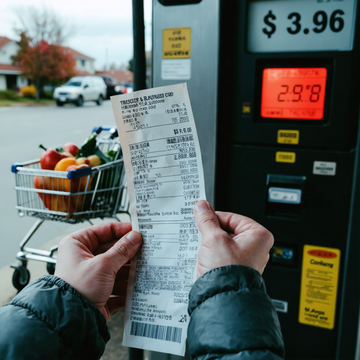
Why do tariffs and oil matter so much? Tariff-related price increases can keep goods inflation high, while oil quickly raises costs for gasoline, transport, and many everyday products. The U.S. Energy Information Administration said Brent crude settled at $94 a barrel on March 9, up about 50% from the start of the year, and forecast that it would stay above $95 for the next two months. At gas stations, the national average price for regular gasoline jumped from $3.015 a gallon on March 2 to $3.961 on March 23. (eia.gov)
For households, that creates a double squeeze. First, fuel becomes more expensive, and higher transport costs can spread into food and other daily purchases. In February 2026, before the full March oil shock appeared in official inflation data, overall consumer prices were already 2.4% higher than a year earlier, while food prices were up 3.1%. Second, delayed rate cuts mean slower relief on borrowing costs. Freddie Mac’s average 30-year fixed mortgage rate was 6.38% on March 26, and Powell warned that much higher gas prices would weigh on disposable income and consumption. (bls.gov)
So the story is not simply “prices are high.” It is that prices may stay uncomfortable while interest rates also stay restrictive. Powell said many Americans still feel squeezed, even after several years of real wage gains, and noted that insurance costs are still rising in some areas. In that sense, tariff-related inflation and higher crude oil prices are not abstract topics from Washington or the Middle East. They can shape what an ordinary U.S. family spends each week, and how long it must wait for real financial relief. (federalreserve.gov)