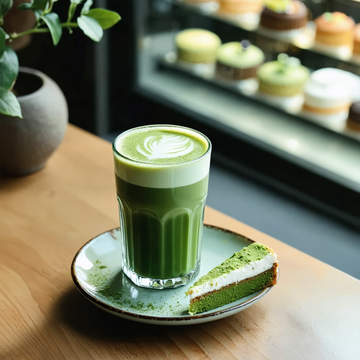
Have you seen this too? You walk into a cafe for a matcha latte, and the worker says, “Sorry, no matcha today.” That sounds small. But it opens a big story. Matcha was once mostly linked with Japan’s tea ceremony. Now the same green powder is in lattes, smoothies, cakes, ice cream, and many sweets around the world. (marketscreener.com)
So what changed? Demand got much bigger, very fast. Japan’s tea exports reached 36.4 billion yen in 2024, and Japan’s farm ministry says demand is strong enough that it wants more tencha, the special leaf used to make matcha. At the same time, Japan welcomed about 36.9 million international visitors in 2024, a record year. More people visited, tasted matcha, and took that habit home. (maff.go.jp)
Now imagine Emi on a Saturday afternoon. She wants one iced matcha latte and a small matcha cake for her friend. But the cake case is almost empty. The shop owner smiles and says, “Everyone wants matcha now.” That is not just a feeling. On January 31, 2025, Ippodo said demand had surged beyond expectations and its matcha was limited. Another seller, Saijoen, set purchase limits in April 2025, and on May 26, 2026, it was still using limits or made-to-order sales for some matcha products. (ippodotea.com)
But here is the turn. Farms cannot move as fast as trends. Matcha comes from tencha, and those leaves are harvested only once a year. Ippodo says production is slow and careful, and Reuters reported that heat hurt tea bushes in Kyoto and pushed prices higher. Even new fields need about five years before they can be harvested. (ippodotea.com)
So the next time your matcha latte costs more, or your favorite matcha sweet is gone, remember this: in May 2026, the International Matcha Association and 38 Japanese tea companies warned that the matcha market was under real strain. A quiet old drink became a world favorite, and now the whole world is learning how small one harvest can be. (matcha-association.org)