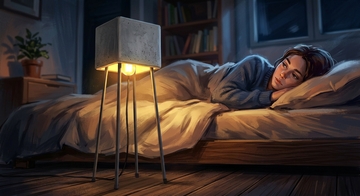
Have you ever been very sleepy, looked at the clock, and still said, “Just one more video”?
Researchers call this bedtime procrastination. It means going to bed later than you planned, even when nothing outside is stopping you. Recent reviews found that it is linked with shorter sleep, worse sleep quality, and more daytime fatigue. They also found ties with lower self-control and an evening-type body clock. (pubmed.ncbi.nlm.nih.gov)
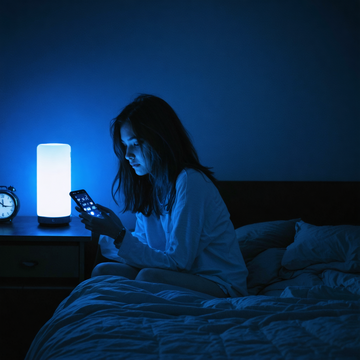
Now picture Yuki. She gets home tired after a long day. She eats, cleans up, answers a few messages, and finally sits down. It is already 11:20 p.m. Her eyes feel heavy. But she opens her phone and thinks, “I need a little time for myself.” Ten minutes becomes an hour. Morning comes too fast.
At first, this looks like a simple bad habit. But newer research says the story is deeper. A 2025 study found that perceived stress helped explain why some students delayed bedtime. A 2026 study looked beyond basic self-control and examined emotion regulation and rumination too. And a 2026 review described bedtime procrastination as a stress-linked failure of self-regulation, especially in digitally connected student life. (bmcpsychiatry.biomedcentral.com)
So here is the turn: the answer may not be “try harder.” In a 2025 trial, reducing evening screen time cut pre-sleep device use by up to 53%, and bedtime procrastination went down too. Another 2025 study found that on days with a bedtime plan, students went to bed about 12 minutes earlier and slept about 12 minutes longer. A 2025 pilot trial also found that therapy targeting thoughts, feelings, and behavior improved bedtime procrastination. (sciencedirect.com)
Maybe staying up late is not really about loving the night. Maybe it is about trying to get back a little freedom. And if that is true, the kindest revenge is not stealing sleep from tomorrow. It is giving yourself a life that needs less revenge in the first place.