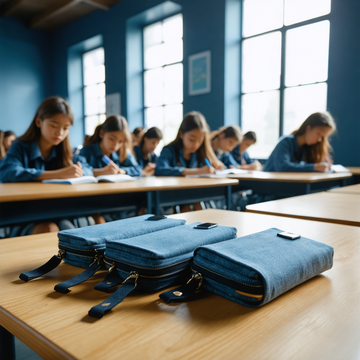
Do school phone bans really work? A new answer from the United States is: yes, but not in the way many people expected. The biggest U.S. study so far looked at strict school phone bans that use lockable pouches. This matters because, by spring 2026, at least 37 states and Washington, D.C., required schools or districts to ban or limit student phone use. (apnews.com)
First, the bans did reduce phone use a lot. In teacher reports, personal phone use during class fell from 61% to 13% after schools started using the pouches. GPS data also showed a large drop in phone activity during school hours. So, if the goal is simply to get phones out of students’ hands, these bans do work. (web.stanford.edu)
But here is the surprising part. The study found little or no average improvement in test scores, attendance, classroom attention, or online bullying. In other words, fewer phones did not quickly turn into better grades or better behavior overall. (siepr.stanford.edu)
And the first year could even be rough. Discipline problems went up at first, and student well-being went down. Later, those effects changed. Discipline returned closer to normal, and student well-being became positive in later years. High schools showed small gains, especially in math, while middle schools showed small negative effects. (siepr.stanford.edu)
So, the big lesson is simple. A phone ban is not a magic fix. It can cut phone use fast, but schools may still need time, support, and good teaching to help students really do better. Also, this study was about lockable pouch bans, so other phone rules may have different results. (impact.stanford.edu)