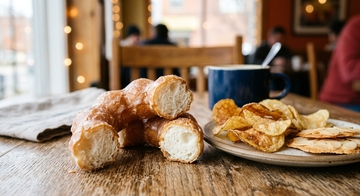
Taste is important, but many people now care just as much about how food feels in the mouth. This quality is called “texture” or “mouthfeel.” Around the world, crispy, crunchy, and chewy foods are becoming especially popular.
One reason is that different textures make eating more exciting. A snack may have a hard, crispy outside and a soft, chewy center. This contrast creates a small surprise with every bite. In a 2026 global survey, 26% of Gen Z consumers said they wanted playful or surprising combinations in special foods and drinks. One in four consumers also showed interest in snacks with new forms. (innovamarketinsights.com)
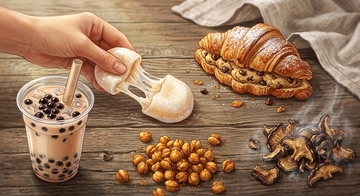
Japanese mochi is a good example. Its soft and stretchy texture has become popular outside Japan and can now be found in ice cream, doughnuts, bread, and drinks. Bubble tea from Taiwan has also introduced many people to chewy tapioca pearls. These foods offer an experience that is different from ordinary cakes or drinks.
Crispy food is growing in popularity too. In 2025, Whole Foods Market called crunch “the texture of the moment.” It pointed to products such as roasted chickpeas, mushroom chips, crispy grains, and dried fruit. People are also adding crunchy seasonings to salads, vegetables, and desserts. (wholefoodsmarket.com)
Social media has helped this trend spread. Videos of people breaking crispy chocolate, biting into crunchy candy, or pulling apart stretchy food are enjoyable to watch and hear. Recent examples from different countries include stretchy yogurt in China, candy with a crunchy cover and soft center in Sweden, and the “crookie” in France—a crispy croissant filled with a soft chocolate-chip cookie. (apnews.com)
This trend shows that people do not eat only with their sense of taste. They also enjoy the sound, movement, and feeling of food. As cultures continue to share their dishes, we may soon discover even more creative combinations of crispy and chewy textures.