Old electric vehicle batteries may soon get a second life. In June 2026, researchers at Cornell University reported a new method that can restore used lithium-ion batteries to as much as 95% of their original capacity. The method is called Direct Electrode-to-Electrode Regeneration, or DEER. (news.cornell.edu)
Today, many old batteries are crushed into a dark material called “black mass.” Useful metals, such as lithium, nickel, and cobalt, are then taken from it. However, these materials must go through several steps before they can become new batteries. This process can use a lot of energy and money.
DEER takes a different approach. Scientists carefully remove the battery’s electrodes without crushing them. Electrodes are the parts that store and release electrical energy. During years of charging and driving, a thick layer forms on their surface. This layer is useful at first, but as it grows, it slows the movement of energy and reduces the battery’s capacity.
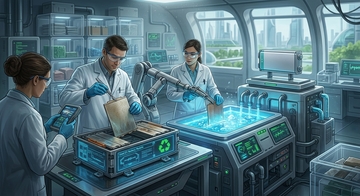
The researchers place the old electrodes in a special electrochemical bath. The liquid removes much of the unwanted layer while keeping the main structure of the electrodes safe. The cleaned electrodes can then be put into a new battery cell. In laboratory tests, batteries that had fallen to about 70–80% capacity recovered up to 95%. A battery treated for a second time returned to about 90%, suggesting that the same electrodes might even have a third life. (news.cornell.edu)
The researchers’ analysis also suggests that DEER could reduce recycling costs by 56% and use less energy than common recycling methods. However, the technology is still being developed. It may not work when electrodes are seriously damaged, and larger EV batteries must be tested. If these problems are solved, old batteries may become valuable products instead of waste. (news.cornell.edu)