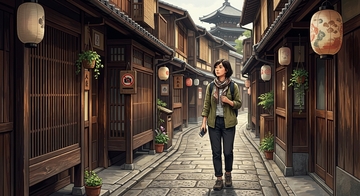
Taking photos is an important part of travel. However, visitors are finding more “no photo” signs and new rules at popular destinations. These restrictions do not always mean that all photography is banned. Often, they control where, what, or how people can photograph.
In Kyoto’s Gion district, tourists must not follow or photograph geiko and maiko without permission. Visitors should also avoid taking pictures of private property or blocking narrow streets. Gion is not only a sightseeing area; it is also a neighborhood where people live and work. The rules are designed to protect residents’ privacy and daily lives. (kyoto.travel)
Safety is another reason for restrictions. The Smithsonian museums in the United States generally allow personal photography, but visitors cannot use tripods, monopods, or selfie sticks. These tools may hit people or damage valuable objects, especially when galleries are crowded. (si.edu)
Some historic buildings have stricter rules. Germany’s Neuschwanstein Castle does not allow private photography or filming inside. Visitors may photograph the outside, but drones cannot take off or land on the castle grounds because they may create risks for the building and large crowds. (neuschwanstein.de) At heritage sites managed by Qatar Museums, personal photography is usually welcome, but drone use needs written approval. (qm.org.qa)
Social media has made beautiful places famous, but it has also changed tourist behavior. Some visitors stop in busy streets, enter private areas, or photograph local people without asking. As a result, destinations are trying to balance visitors’ enjoyment with safety, privacy, and cultural respect.
Before traveling, check the destination’s official website and look for signs after you arrive. If you want to photograph a person, ask first. If photography is not allowed, put your phone away and enjoy the moment with your own eyes. A respectful traveler can still return home with valuable memories—even without hundreds of pictures.