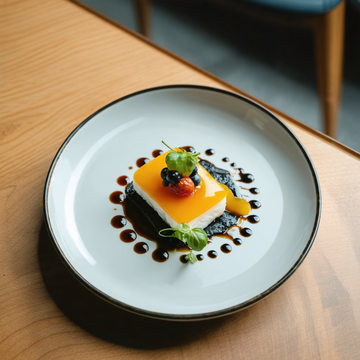
In the United States, restaurant success used to mean giving customers very large meals. But in 2026, many diners are asking for the opposite. In January 2026, Olive Garden rolled out a nationwide “Lighter Portions” menu, while chains like P.F. Chang’s, The Cheesecake Factory, and TGI Fridays have also introduced smaller options. According to AP, this shift is appearing at both big chains and local restaurants, showing that it is more than a short-lived fad. It reflects a wider change in how people think about eating out. (apnews.com)
One big reason is cost. McKinsey reported that U.S. “food away from home” prices rose about 6% from January 2024 to September 2025, faster than grocery prices during the same period. Many people still want the fun of eating at a restaurant, but they do not want to pay for a meal that feels too large. Smaller dishes give them a way to spend less without staying home. AP reported that at Daniel Girls Farmhouse Restaurant in Indiana, “Mini Meals” introduced in late 2025 quickly grew to around 20% of all orders. That suggests many customers see a smaller plate as better value, not a weaker deal. (mckinsey.com)
Health is another powerful reason. AP found that some restaurants are creating menu items for people using GLP-1 drugs such as Wegovy and Zepbound, which can reduce appetite. The National Restaurant Association also said in 2025 that people on GLP-1 medications are seeking smaller portions and dishes lower in sugar, fat, and calories. Older adults, too, often prefer meals they can comfortably finish, instead of taking home leftovers they may never eat. (apnews.com)
This trend could reshape restaurants for years. Smaller portions can reduce food waste, bring in budget-conscious diners, and make weekday business stronger. McKinsey says restaurants are under pressure to balance affordability with profit, so offering less food at a lower price may be a smart answer. In that sense, the small-portion boom is not really about “less.” It is about giving customers meals that fit modern life better. (mckinsey.com)