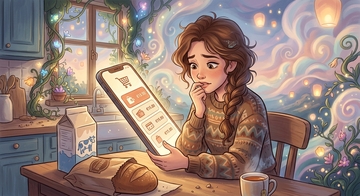
As of May 2026, shopping on Google is changing from a simple keyword search into a conversation. Instead of typing only short words, people can ask full questions like they are talking to a helper. Google says ads can now appear above, below, or inside AI Overviews when its systems think the search shows buying interest and the ad matches both the question and the AI answer. (support.google.com)
This means shopping ads may feel less like old-style boxes and more like useful advice. On May 20, 2026, Google announced AI-powered Shopping ads. Google says Gemini can find relevant products and write a short custom explanation about why one product may be a good choice. In the same update, Google also introduced Conversational Discovery ads and Highlighted Answers, so ads can answer a shopper’s question or appear inside a list of AI recommendations. (blog.google)
For shoppers, the biggest change is speed. You may not need to open many pages and compare products by yourself. Google says people shop across its services more than 1 billion times a day, and its Shopping Graph now has over 60 billion product listings. On May 19, 2026, Google also announced Universal Cart, a new tool that can work across Search and the Gemini app. It can watch for deals, price drops, price history, and back-in-stock alerts, and it is rolling out in the U.S. in summer 2026. (blog.google)
Stores are changing too. Google’s new AI Max for Shopping is built for longer, more natural questions. It can create ad text, choose the most useful landing page, and even decide if a text ad or a Shopping ad is better for that moment. So when shoppers ask broad questions like “What are good soft clothes for relaxing at home?”, stores have a better chance to appear earlier in the search journey. (blog.google)
So, how will shopping change? It will become more natural, more personal, and more direct. You may discover products earlier, compare choices faster, and buy with fewer steps. But one thing is important to remember: even when an AI answer feels helpful, Google says these retail placements are still marked as sponsored ads. (blog.google)