Reuse architecture is when people keep an old building and give it a new job. In English, this is often called adaptive reuse. A 2025 study says it means changing an existing building for a new use while keeping its historical and architectural value. This idea matters now because buildings and construction use 32% of global energy and create 34% of global CO2 emissions. The sector also depends on materials like cement and steel, which are responsible for 18% of global emissions. The World Green Building Council says reuse can reduce waste and carbon from building materials. (nature.com)
London shows this idea very well. Tate Modern opened in 2000 inside the shell of the former Bankside Power Station. Another famous example is Battersea Power Station. It stopped making electricity in 1983, but after a long restoration it opened to the public on October 14, 2022. By September 2024, more than 22 million people had visited. In 2025, the site said it had over 150 shops, bars, restaurants, and leisure venues, and a new theater opened there too. An old power station is now a busy place for art, shopping, work, and fun. (shop.tate.org.uk)
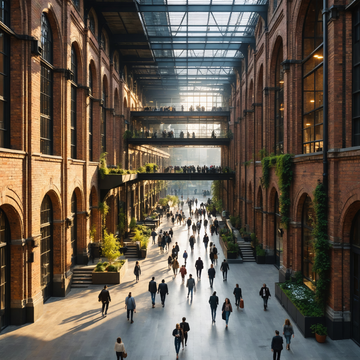
Japan has a wonderful example too. Yokohama Red Brick Warehouse was once a customs inspection house and a place to store goods from ships. Today, it is a lively center of local culture and community. People visit for events, concerts, shopping, food, and beautiful views of the port. This is why reuse architecture is so interesting. It does not only save a building. It saves memories, keeps the look of the city, and gives the place a new future. Old walls can still tell a new story. (japan.travel)