In Europe, one of the biggest architecture stories of 2026 is about not building from zero. On April 16, the European Commission and the Fundació Mies van der Rohe announced the winners of the 2026 EU Prize for Contemporary Architecture, often called the EUmies Awards. The main prize went to Charleroi Palais des Expositions in Belgium, a renovation of a 1950s convention centre by AgwA and architecten jan de vylder inge vinck. The Emerging Architecture prize also honored reuse: Temporary Spaces for the Slovenian National Theatre Drama, made inside a former industrial hall in Slovenia. (culture.ec.europa.eu)
This is why the 2026 awards feel important. The message is not “bigger” or “newer,” but “smarter.” The European Commission said the winning projects show good ideas for city policy by working with existing conditions, while also supporting sustainability, social equity, resilience, and cultural continuity. The jury described the seven finalists as examples of the future of European architecture because they answer local needs and wider social and environmental problems. That is a strong sign that renovation is no longer a secondary choice. It is becoming a model for the future. (culture.ec.europa.eu)
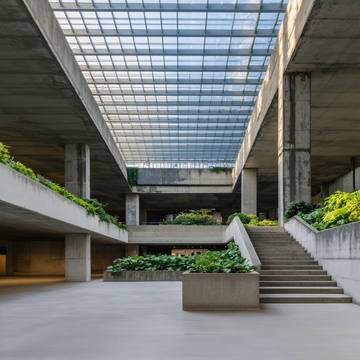
The Charleroi project shows this idea clearly. Instead of destroying the huge old building, the architects studied which parts should be kept, opened, or carefully removed. The stripped central hall became covered urban terraces, and the dark paved ground was turned into a green park. Because the budget was only about one-third of what a full replacement would need, the team chose precise, low-cost actions: opening facades, creating a three-level garden, using natural ventilation, and even turning demolished pieces into urban furniture. The result is a building that feels both old and new at the same time. (eumiesawards.com)
The wider story is just as interesting. The 2026 awards began with 410 nominated works from 40 countries, yet the final winners both showed the power of transformation rather than demolition. For students of architecture—and for anyone worried about waste, climate, and the loss of local character—that may be the clearest lesson of all: sometimes the most modern idea is to repair, reuse, and imagine again. (eumiesawards.com)