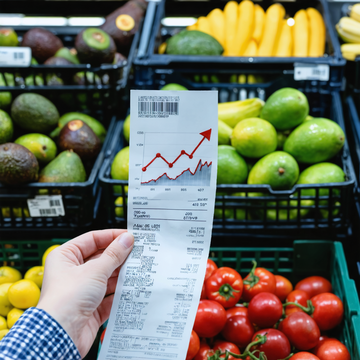
Tariffs are taxes on goods from other countries. Companies that bring food into the United States pay them first, but shoppers often feel part of the cost later. In an April 2026 AP report, Democrats on Congress’s Joint Economic Committee said the Trump administration’s tariff push could cost the average U.S. household $2,512 in 2026. (apnews.com)
At the supermarket, the change may be slow, not sudden. The U.S. inflation report for March 2026 said grocery prices were 1.9% higher than a year earlier. Fruit and vegetable prices were up 4.0% over the year, and drinks without alcohol were up 4.7%. But some grocery groups fell in March, including eggs, meat, and dairy. This means not every price goes up at the same time. (bls.gov)
The foods with the biggest risk are imported foods. AP reported that bananas and coffee are especially exposed because the U.S. does not grow enough of them. Fish, beer, and liquor are also likely to cost more. USDA data shows why: fresh fruit and vegetable imports reached $32.1 billion in 2025, and key items included avocados, berries, and citrus from Mexico, Chile, and Peru. (apnews.com)
Some shoppers may notice the change first in stores that sell many foods from abroad. AP found that customers at Asian and Hispanic supermarkets worried about higher prices for soy sauce, rice, spices, coconut water, avocados, mangoes, and other imported foods. Yale’s Budget Lab estimated that the 2025 tariffs could raise food prices by 4.5% in the short run, with fresh produce up 6.2%. So the simple answer is this: if U.S. tariffs stay high, supermarket prices may rise most on imported foods first. (apnews.com)