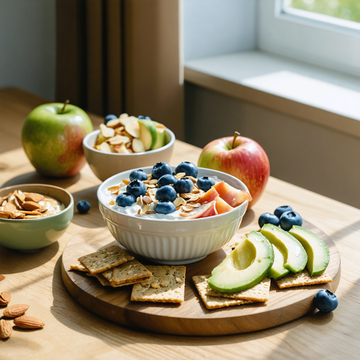
A snack is not always just a small treat anymore. In the International Food Information Council’s 2024 Food and Health Survey of 3,000 Americans, 56% said they replace breakfast, lunch, or dinner with snacks or smaller meals. A 2024 USDA data brief also found that 95% of U.S. adults eat at least one snack on a given day. This suggests that snacking is now a normal part of everyday eating for many people. (foodinsight.org)
Why do snacks become meals? One big reason is modern life. In IFIC’s 2024 snacking survey, the top reasons for snacking were hunger, taste, and convenience. Many people are busy at work, at school, or on the move, so a quick bite is easier than a full sit-down meal. When time is short, a snack can do the job of lunch or even dinner. (foodinsight.org)
Another reason is that many snacks now look like small meals. In the same survey, 14% said their usual snack contains foods similar to a meal, just in smaller portions. People also often choose fruit (58%) and protein foods such as eggs, meat, nuts, or nut butter (43%) when they snack. So a snack today may be yogurt and fruit, nuts, or other filling foods, not only sweets. (foodinsight.org)
When a snack has several food groups, it can work like a mini-meal. USDA’s MyPlate suggests combinations like yogurt and berries, an apple with nut butter, or whole-grain crackers with turkey and avocado. Harvard’s Nutrition Source also says snacks with protein, fiber, and whole grains can help people feel full until the next meal. So the real question is not “Is it a snack or a meal?” If it gives energy, stops hunger, and has good nutrition, a snack can become a simple meal for a busy day. (myplate.gov)