The cocoa story has entered a surprisingly complicated new phase. After the historic supply shock of 2024, the market has cooled fast: the International Cocoa Organization says the world moved from a 492,000-tonne cocoa deficit in 2023/24 to a revised 75,000-tonne surplus in 2024/25, as production recovered and grindings fell. Yet consumers have not felt much relief. In the United States, retail chocolate prices were up 14% in early 2026 from a year earlier, and Axios reported that cocoa futures had dropped from more than $12,000 per metric ton in late 2024 to roughly $3,000-$3,300 by April 2026. (icco.org)
Why, then, is chocolate still expensive? One reason is timing. Confectionery companies buy cocoa months in advance, carry high-cost inventories, and protect themselves through hedging. Mondelēz told investors in February 2026 that most of its 2026 cocoa exposure had already been hedged at prices above current spot levels. Another reason is that the industry no longer believes the old era of cheap cocoa will automatically return. ICCO’s latest figures still show relatively thin stock buffers, while J.P. Morgan has argued that cocoa may remain structurally more expensive because supply risks have risen and high prices have already damaged demand. (ir.mondelezinternational.com)
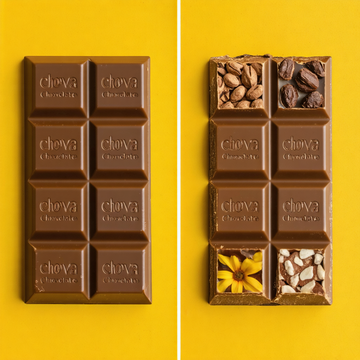
This is exactly why cocoa-free confectionery is gaining momentum. In June 2025, Aeon began selling Topvalu “Chococa?” in about 2,200 stores across Japan, using Planet A Foods’ ChoViva, a cocoa-free chocolate alternative made from sunflower seeds. Aeon said the ingredient goes through fermentation and roasting to recreate a chocolate-like aroma, taste, and mouthfeel. By September 2025, Planet A Foods said Japan had become ChoViva’s first market outside Europe. (aeonretail.jp)
What makes this shift especially notable is that it is no longer confined to startups. Barry Callebaut announced a long-term partnership with Planet A Foods in November 2025 to scale chocolate alternatives without cocoa, and Planet A Foods said Nestlé Germany would launch ChoViva-coated Choco Crossies “Snack Vibes” in April 2026. The cocoa shock, in other words, did more than raise prices: it pushed the candy industry to imagine a future in which “chocolate” flavor is no longer tied entirely to cocoa beans. (barry-callebaut.com)