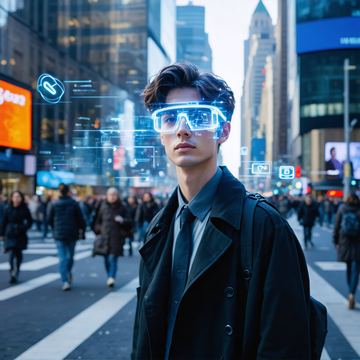
On May 19, 2026, Google used I/O to turn its smart-glasses project from a futuristic demo into a clearer product roadmap. Under the Android XR platform, it said there will be two kinds of “intelligent eyewear”: audio glasses that speak in your ear, and display glasses that place information in your line of sight. The first audio models, developed with Samsung plus eyewear brands Gentle Monster and Warby Parker, are scheduled to arrive in fall 2026 and will pair with both Android and iOS phones. (blog.google)
The attraction is obvious. Google’s 2025 and 2026 demonstrations showed glasses that can message friends, handle navigation, take photos, translate speech in real time, and access phone apps by voice. In the newer announcement, Google also highlighted ride-hailing, food ordering, and photo or video capture, all without pulling out a handset. This is a powerful vision of “ambient computing”: AI that accompanies you quietly, sees what you see, and intervenes only when needed. (blog.google)
Yet the same evidence suggests that these glasses are not ready to replace the smartphone outright. Google repeatedly describes them as working with your phone, not superseding it, and even its examples still rely on the phone for app ecosystems and final confirmations. The fact that audio glasses are launching first also matters: Google is prioritizing a lighter, less disruptive companion device before attempting a fully visual, screen-like replacement. That makes the glasses feel, at least for now, like a new interface layer over the smartphone rather than its executioner. This is an inference based on Google’s rollout and product framing. (blog.google)
Still, dismissing them would be shortsighted. Google is clearly trying to solve the social problem that haunted earlier smart glasses by emphasizing style, comfort, and recognizable fashion partners. It is also re-entering a market where, according to Reuters, Meta and Apple already have a head start, which means the competitive stakes are high. My judgment is that Google’s voice AI glasses are unlikely to become “the next smartphone” in the immediate future. But they could become something subtler and possibly more important: the default hands-free companion that makes the smartphone less visible, less touched, and gradually less central in everyday life. (blog.google)