As Mexico City counts down to the opening match of the 2026 FIFA World Cup on June 11, the mood is not purely festive. FIFA has confirmed that the capital will stage the tournament’s first game at Mexico City Stadium, while city officials say they are pouring more than 6 billion pesos into transport, public works, and cultural programming for the event. Yet, alongside the official language of inclusion and celebration, a very different story is gaining force: an anti-overtourism movement that links the World Cup to rising rents, short-term rentals, and the fear that entire neighborhoods will be reshaped for visitors rather than residents. (fifa.house)
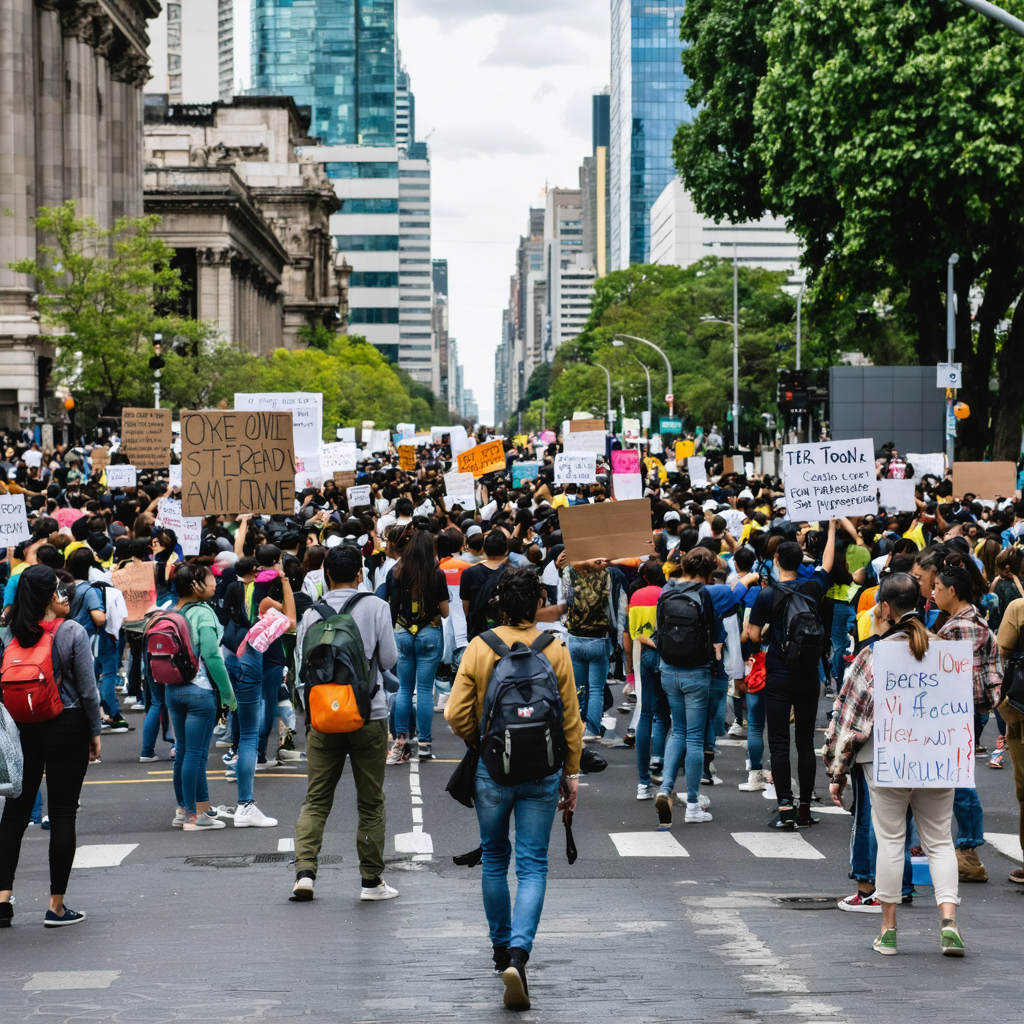
The anger first became highly visible in central districts such as Roma and Condesa, where protests against mass tourism and gentrification erupted in July 2025. AP reported that demonstrators blamed an influx of remote workers and temporary foreign residents for pushing up housing demand and prices. Since then, the movement has spread south toward the stadium zone itself. In January 2026, anti-gentrification groups and local vendors organized a caravan along Calzada de Tlalpan against what they described as World Cup-driven displacement, and in February activists marched to the Tourism Ministry to protest gentrification and overtourism ahead of the tournament. (apnews.com)
What makes the movement especially powerful is that it is not only about tourism in the abstract. In Santa Úrsula Coapa, the neighborhood beside the stadium, residents have tied World Cup preparations to water insecurity, speculative construction, and the possible removal of informal workers. Dialogue Earth reported that some households near the stadium receive water only a few times a week, even as new apartment projects advance in the area. EL PAÍS also found that residents fear the tournament is accelerating evictions and the shift from long-term housing to short-term rentals. In other words, the protest is less about rejecting visitors than about asking a difficult question: who gets to enjoy a global spectacle, and who pays the local price? (dialogue.earth)
City authorities have responded with promises to curb the damage. After the 2025 protests, Mayor Clara Brugada announced a preliminary anti-gentrification plan that would prevent rent increases above inflation, and Mexico City’s Congress has already approved reforms to regulate tourist accommodation platforms, including limits on short-term rentals. But with the kickoff now close, the central tension remains unresolved. Mexico City wants to welcome the world; many residents are still fighting not to be pushed aside by it. (apnews.com)