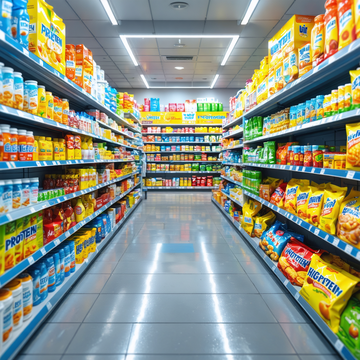
If you visit a supermarket in the United States today, you may notice protein everywhere. It is in yogurt, bread, cereal, chips, shakes, and frozen meals. This is not just a feeling: according to AP, citing NielsenIQ, the average U.S. supermarket now has 38,708 products that advertise protein on the package. (apnews.com)
One big reason is simple: many shoppers want more protein. In a 2025 survey by IFIC, 1 in 3 Americans said they had increased their protein intake in the past year. The same survey found that 8 in 10 Americans think about protein during at least one meal or snack each day. Many people believe protein helps with muscle strength, endurance, and energy, so it feels like a smart choice. (ific.org)
Social media is also changing food shopping. Cargill’s 2025 Protein Profile says 52% of people have tried a new food after seeing it on social media, and it says platforms like TikTok and Instagram are helping high-protein eating become more popular. The report also says some people using GLP-1 weight-loss drugs want smaller meals with more protein, and food companies are responding to that demand. Axios reported in May 2025 that Danone launched new Oikos protein shakes with GLP-1 users in mind. (cargill.com)
Stores and brands also see a business chance. Circana reported in April 2025 that more Americans are looking for snacks they think are “good for them,” and high-protein options are growing strongly. Big retailers are moving fast: Kroger announced in September 2025 that it was launching a Simple Truth Protein line with more than 80 products. Protein is also easy to highlight on the package, because the FDA says that if a brand makes a claim about protein, such as “high protein,” the label must show the protein % Daily Value. (circana.com)
So, high-protein foods are increasing because health goals, social media trends, and store business are all pushing in the same direction. Still, it is a good idea to read the full label, not only the word “protein.” The current U.S. Dietary Guidelines for 2025-2030 tell people to choose whole, nutritious foods and limit highly processed foods. (fns.usda.gov)