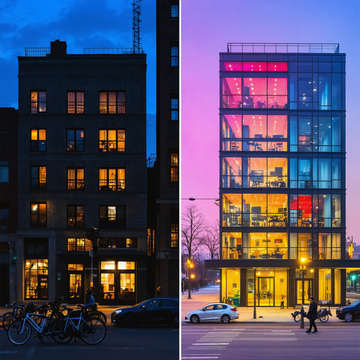
What if the darkest building on your street became the brightest one at night?
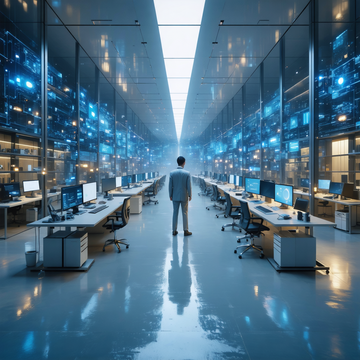
That is starting to happen in the United States. Many office buildings are still not full, so cities are asking a new question: can an old office become a home? By the start of 2026, about 90,300 apartments were in the office-to-apartment pipeline across the country. That was up 28% from a year earlier. New York had the biggest pipeline, Washington, D.C. was next, and Los Angeles was close behind with about 4,340 future units. (rentcafe.com)
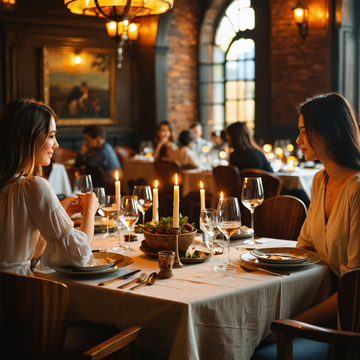
Now picture one block after work. At 6 p.m., the suits go home, the elevators slow down, and the street gets quiet. But later, the same building could have dinner lights, bikes by the door, and people walking dogs. In Washington, D.C., that change is already real. The Elle apartments opened in July 2024 as the first large office-to-housing conversion in the Golden Triangle area. At the same event, the city announced another program to push more empty office space into new uses downtown. (planning.dc.gov)
Los Angeles now wants that kind of change on a much bigger map. Its Citywide Adaptive Reuse Ordinance took effect on February 1, 2026. The new rules expand the old downtown-focused system to neighborhoods across the city. In many zones, buildings that are at least 15 years old can use a faster approval path, and minimum unit-size rules have been removed. Los Angeles is building on an older idea here: supporters say the 1999 adaptive reuse program helped create more than 12,000 housing units in downtown L.A. (planning.lacity.gov)
Of course, this is not magic. Some offices are too hard or too expensive to change. Light, layout, and money still decide a lot. But the big idea is simple. A city center does not have to sleep after work. Sometimes the future home people need is already standing there, waiting behind office glass. (rentcafe.com)