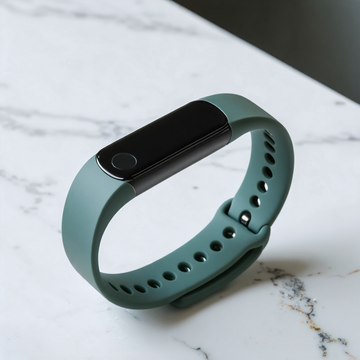
For years, wearable tech tried to do more by adding bigger screens and more alerts. Fitbit Air points in the opposite direction. Announced by Google on May 7, 2026, Fitbit Air is a screenless fitness tracker that starts at $99.99. Google says it is its smallest tracker yet, with up to a week of battery life, fast charging, and support for Android and iOS. It tracks heart rate, sleep stages, resting heart rate, heart rate variability, SpO2, and some heart-rhythm features, while leaving the wrist free from constant messages. Google says it will reach U.S. store shelves on May 26, 2026. (blog.google)
The idea is simple: collect health data quietly, then show the details on your phone only when you want them. Fitbit Air is designed to work with the new Google Health app, which began replacing the Fitbit app on May 19, 2026. In that app, users can view fitness, sleep, and health data in one place, connect outside apps and devices, and, in the United States, even add medical records. Google also launched Google Health Coach, an AI-based service available through Google Health Premium for $9.99 a month or $99 a year. (blog.google)
This makes Fitbit Air part of a bigger movement. WHOOP says its 5.0 wearable has a screen-free design with “no pings” and more than 14 days of battery life. Oura Ring 4, another screen-free device, focuses on discreet sensors, app-based insights, and 5 to 8 days of battery life. Together, these products suggest a new kind of wearable: less like a mini phone, more like a quiet health companion. (whoop.com)
That is why Fitbit Air matters. It does not just launch a new device; it shows a new philosophy. Many people want useful health tracking, but they do not want another bright screen asking for attention. Fitbit Air brings that idea to a mainstream brand at a relatively low starting price, while also showing that the real value now may be in software, coaching, and long-term health insight rather than the screen itself. If this trend continues, the future of wearables may be smaller, calmer, and more invisible—and for many users, that may feel smarter, not simpler. (blog.google)