Japan is welcoming more international travelers than ever. In July 2026, about 3.44 million overseas visitors entered the country, the highest number ever recorded for that month. However, many travelers continue to visit the same famous places, such as Tokyo, Kyoto, and Osaka. This can create crowded streets, long lines, and problems for local people. (jnto.go.jp)
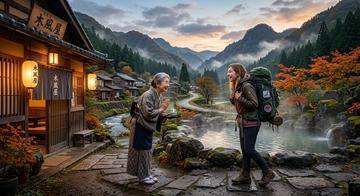
“Undertourism” offers a different way to travel. It means choosing places that receive fewer visitors. Instead of following the popular “Golden Route” between Tokyo and Kyoto, travelers can spend more time in regional areas. For example, they can enjoy a farm stay in Tohoku, walk through a small historical town, visit a quiet hot spring, or try food made by local families. These experiences often allow visitors to have more personal contact with the people and culture of an area. (japan.travel)
Undertourism can also support local communities. When travelers stay at a family-run inn, eat at a neighborhood restaurant, or buy traditional products, more of their money remains in the area. Tourism may help protect local traditions, create jobs, and keep small businesses alive. Japan’s tourism plan for 2026 to 2030 therefore includes stronger support for regional travel and longer stays outside major cities. (mlit.go.jp)
Of course, rural travel requires preparation. Buses and trains may not run often, and English information may be limited. Visitors should check transport times, book rooms early, and learn a few useful Japanese phrases. They should also respect local rules and remember that these destinations are people’s homes, not only tourist attractions.
For travelers who make the effort, undertourism can provide a slower and deeper journey. You may not find a famous photo spot, but you could discover a peaceful landscape, a warm conversation, or a local dish that becomes your favorite memory.