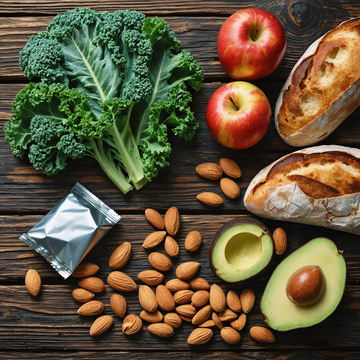
In January 2026, the United States released the Dietary Guidelines for Americans, 2025–2030. The new edition tells people to build their diets around whole, nutrient-dense foods and to make a “dramatic reduction” in highly processed foods, added sugars, and refined carbohydrates. Official USDA pages describe this as a major shift: for the first time in 25 years, the guidelines speak directly to consumers, and their central message is simple — eat real food. (odphp.health.gov)
Why did this happen now? One reason is scale. According to a CDC data brief published in August 2025, people in the United States got about 55.0% of their calories from ultra-processed foods in 2021–2023. The share was even higher for children and teenagers, at 61.9%. Another reason is stronger scientific concern. In a well-known NIH randomized controlled trial, adults ate about 508 more calories per day on an ultra-processed diet than on an unprocessed diet, even though the meals were designed to be similar in calories, sugar, fat, sodium, and fiber; they also gained about 0.9 kilograms in just two weeks. Together, these findings made it harder for policymakers to treat processed foods as a minor issue. (cdc.gov)
At the same time, the government has been careful with its language. The advisory committee’s scientific report discussed dietary patterns higher in foods classified as ultra-processed, but it also said the evidence was difficult to assess because there is no clear, universally accepted definition. In July 2025, USDA, HHS, and FDA announced a federal effort to create a uniform definition for ultra-processed foods. That helps explain why the final guidelines mostly say “highly processed foods” rather than using “ultra-processed foods” as a strict technical term. In other words, the new message comes from both science and practicality: Americans are eating too many industrially made foods, the health risks look serious, and the government is still working out the exact definition. (dietaryguidelines.gov)