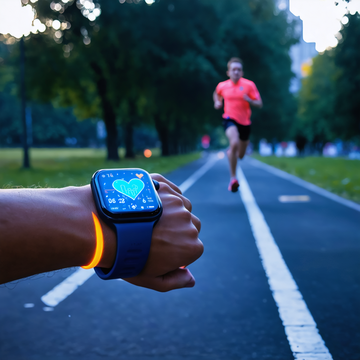
In 2026, the most important fitness tool may not be in a gym. It may be on your wrist. The American College of Sports Medicine says wearable technology is the No. 1 fitness trend for 2026, based on a survey of 2,000 clinicians, researchers, and exercise professionals. ACSM also notes that nearly half of U.S. adults now own a fitness tracker or smartwatch. (acsm.org)
The big change is this: wearables are starting to act less like pedometers and more like coaches. ACSM says modern devices can collect data such as heart rhythm, skin temperature, blood pressure, blood glucose, and fall or crash detection. At the same time, companies are turning that data into advice. Apple’s watchOS 26 introduces Workout Buddy, which gives personalized spoken motivation based on workout data and fitness history. Garmin says its Run Coach creates adaptive training plans, with daily workouts that change to fit the user’s goals and recovery. (acsm.org)
Why does this matter? Because many people know exercise is important, but building a habit is hard. The World Health Organization recommends that adults do at least 150 minutes of moderate physical activity each week, and muscle-strengthening activities on 2 or more days. A device that reminds you, measures your progress, and tells you when to push or rest can make those goals feel more real and more possible. ACSM’s 2026 list also places mobile exercise apps in the top five, showing that phones and watches are now working together to guide daily fitness. (who.int)
Still, data is not magic. ACSM warns that some wearable measurements may be experimental or unreliable, and that the real value often comes from watching patterns over time, not trusting every number blindly. So the best future may be this: a human body, a smart device, and better decisions made day by day. In 2026, your wearable may not replace a coach, but it is getting much closer. (acsm.org)