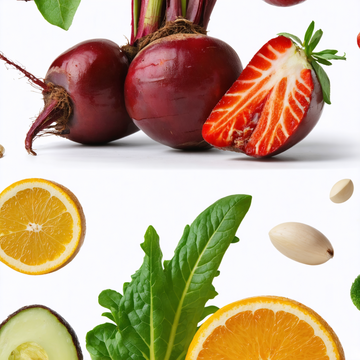
In American supermarkets, the phrase “no artificial colors” is no longer a minor packaging detail. On February 5, 2026, the FDA said companies may use that claim when a product contains no petroleum-based dyes, even if it uses colorings from natural sources such as beetroot red or spirulina extract. That decision came after the FDA revoked the use of Red No. 3 in food on January 15, 2025, with reformulation deadlines of January 15, 2027 for foods and January 18, 2028 for ingested drugs. The agency has also asked industry to phase out six other commonly used certified dyes by the end of 2027, and its tracker now lists pledges from major companies and retailers including Walmart, Target, General Mills, Nestlé, and Kraft Heinz. (fda.gov)
This regulatory shift reflects a real change in consumer thinking. In the 2025 IFIC Food & Health Survey, 80% of Americans said they consider whether a food is processed before buying it. Familiarity with the term “ultraprocessed food” also rose sharply, from 32% in 2024 to 44% in 2025. Just as telling, 28% of respondents said a healthy food should involve minimal or no processing, while 25% said it should contain limited or no artificial ingredients or preservatives. (ific.org)
The anxiety is not only about color. A 2024 umbrella review published by The BMJ, drawing on nearly 10 million participants, found that higher exposure to ultra-processed foods was associated with 32 adverse health outcomes, including cardiovascular-disease-related death, type 2 diabetes, depression, and anxiety. Meanwhile, the CDC reported in August 2025 that ultra-processed foods still provide 55.0% of total calories in the U.S., rising to 61.9% among people aged 1 to 18. In other words, Americans may distrust ultra-processed foods more than before, but they still eat a great deal of them. (bmjgroup.com)
That is why the new label is both powerful and potentially misleading. A snack colored with beet or algae may sound cleaner, yet it can still be an ultra-processed product high in sugar, fat, or sodium. Even critics of the FDA’s new approach warn that “no artificial colors” may reassure shoppers too easily. So the deeper American shift is not simply away from synthetic dyes. It is toward a broader question: when we buy food, are we choosing ingredients we recognize, or merely better marketing for the same old industrial formula? (ap.org)