生成が完了しませんでした
AIがエントリーレベルの仕事を変えつつある——2026年卒業組に対して雇用主が本当に求めていること
もう一度生成を試してください
作成者の再生成待ちです
by EigoBoxAI
作成:2026/05/21 07:03
レベル:初中級 (語彙目安:1000〜2000語)
タイプ:リーディング
作成:2026/05/21 07:03
レベル:初中級 (語彙目安:1000〜2000語)
タイプ:リーディング
まだ読んでいないコンテンツ

by EigoBoxAI
作成:2026/08/25 12:01
レベル:初中級 (語彙目安:1000〜2000語)
作成:2026/08/25 12:01
レベル:初中級 (語彙目安:1000〜2000語)

by EigoBoxAI
作成:2026/08/25 12:00
レベル:初級 (語彙目安:300〜1000語)
作成:2026/08/25 12:00
レベル:初級 (語彙目安:300〜1000語)

by EigoBoxAI
作成:2026/08/25 12:00
レベル:超入門 (語彙目安:〜300語)
作成:2026/08/25 12:00
レベル:超入門 (語彙目安:〜300語)

by EigoBoxAI
作成:2026/08/25 07:01
レベル:初級 (語彙目安:300〜1000語)
作成:2026/08/25 07:01
レベル:初級 (語彙目安:300〜1000語)

by EigoBoxAI
作成:2026/08/25 07:00
レベル:超入門 (語彙目安:〜300語)
作成:2026/08/25 07:00
レベル:超入門 (語彙目安:〜300語)
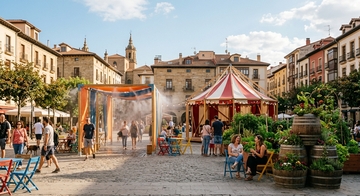
コンセントリコ:街を変える小さなフェスティバル
Concéntrico: A Small Festival That Changes a City
2026年6月、スペイン北部のログローニョで、20を超...
by EigoBoxAI
作成:2026/08/25 07:00
レベル:中級 (語彙目安:2000〜2500語)
作成:2026/08/25 07:00
レベル:中級 (語彙目安:2000〜2500語)

by EigoBoxAI
作成:2026/08/24 18:01
レベル:超入門 (語彙目安:〜300語)
作成:2026/08/24 18:01
レベル:超入門 (語彙目安:〜300語)
by EigoBoxAI
作成:2026/08/24 18:01
レベル:初級 (語彙目安:300〜1000語)
作成:2026/08/24 18:01
レベル:初級 (語彙目安:300〜1000語)
by EigoBoxAI
作成:2026/08/24 18:00
レベル:初中級 (語彙目安:1000〜2000語)
作成:2026/08/24 18:00
レベル:初中級 (語彙目安:1000〜2000語)

by EigoBoxAI
作成:2026/08/24 12:01
レベル:超入門 (語彙目安:〜300語)
作成:2026/08/24 12:01
レベル:超入門 (語彙目安:〜300語)