A tariff is a tax on goods that come from other countries. That may sound far from daily life, but it can reach the supermarket fast. In the United States, the White House announced new tariffs on imports from Canada, Mexico, and China on February 1, 2025. Then, on March 6 and March 7, the rules changed: goods from Canada and Mexico that qualified under the USMCA trade agreement were not charged the extra tariff, while other goods still were. So supermarket prices did not move in one simple way. Some foods faced new costs, and some did not. (whitehouse.gov)
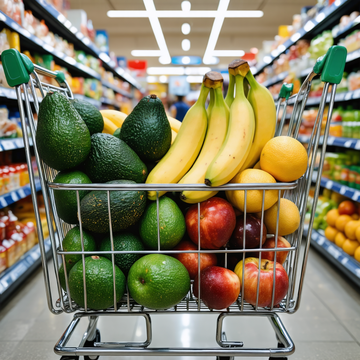
Fresh food can react especially quickly because stores cannot keep it for a long time. In March 2025, Target said shoppers could see higher prices on Mexican produce, including avocados, within days. In May 2025, Walmart also warned that prices would rise on products including bananas. These worries fit the import data. The United States imported a record 2.78 billion pounds of fresh avocados in 2023, and Mexico supplied 89 percent of that volume. Bananas are even more import-heavy: in 2024, the U.S. imported 9.2 billion pounds, and 85 percent came from Guatemala, Ecuador, Costa Rica, and Honduras. (apnews.com)
The latest official price data show that grocery shopping still feels expensive. In February 2026, U.S. food-at-home prices were 2.4 percent higher than a year earlier. Fruits and vegetables were up 2.7 percent, and nonalcoholic beverages and beverage materials were up 5.6 percent. Coffee stood out even more: its price was 18.4 percent higher than a year before. Seafood is another category to watch, because NOAA estimates that 80 percent of the seafood Americans ate in 2023 came from foreign imports. (bls.gov)
So, how did tariffs change supermarket prices? The best answer is: not all at once, and not for everything. But they clearly added pressure to import-heavy foods. The Budget Lab at Yale estimated in January 2026 that the tariffs then in place would raise food prices 1.4 percent in the short run and leave them 1.2 percent higher in the long run. At the same time, the White House’s February 2026 import surcharge included exceptions for products with no reasonable domestic supply or where new charges could cause serious supply problems. In other words, tariffs have not changed every shelf in the same way, but they have made the checkout line riskier for imported foods. (budgetlab.yale.edu)