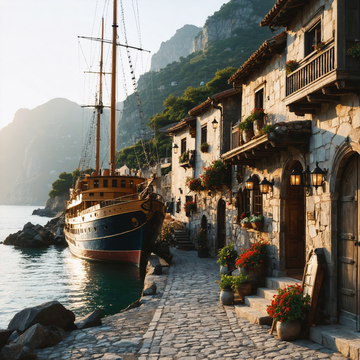
For many people, a cruise means a huge ship and a crowded famous city. But a new style of cruise is growing in 2026. In Europe, travel reports say cruise companies are using smaller ships and visiting secondary ports more often. The goal is simple: less crowding, longer stays, and more chances to enjoy local life, food, and stories. This makes cruising feel slower, calmer, and more personal. (euronews.com)
A good example comes from Norway. Hurtigruten’s Open Village program welcomes guests into three real coastal communities, not special tourist shows. The company says visitors can learn about everyday life, traditions, and local history in places such as Træna and Bessaker. These visits are available from May 2026 on The Svalbard Line. This idea is attractive because travelers do not only “see” a place—they meet the people who live there. (hurtigruten.com)
Japan is also part of this trend. Tauck announced a 2026 small-ship itinerary called Sakura Seas: Japan & South Korea. After time in Seoul and Busan, guests sail on the 184-passenger Le Soléal and stop at smaller ports in Japan. In Sakaiminato, they can choose local activities in a fishing town. In Hagi, they can visit samurai-era homes and see the city’s famous pottery. In Beppu, they can enjoy hot springs, and in Uwajima they can visit a pearl farm or join a tea ceremony and calligraphy experience. Tauck says small ships can enter smaller harbors and create more authentic cultural encounters. (tauck.com)
For English learners, this kind of trip has a special charm. A small port gives you time to notice details: the smell of fresh fish, the sound of a market, the smile of a local guide, or the quiet beauty of an old street. Instead of rushing from one “must-see” place to another, you can travel more deeply. That may be the most exciting change in cruising today: the journey is no longer only about the ship. It is about real connection on shore. (hurtigruten.com)