In 2026, the Pritzker Architecture Prize went to Chilean architect Smiljan Radić Clarke. The award is widely regarded as the highest honor in architecture, and Radić became the second Chilean architect to receive it. What made his selection especially interesting was the jury’s focus on buildings that accept fragility instead of showing power. His work often looks light, temporary, or even a little unstable, yet it still creates calm and welcoming spaces for people. (pritzkerprize.com)
Radić himself says architecture lives between two worlds: huge buildings that last for centuries and small, fragile structures that may disappear quickly. That idea helps us understand his style. He does not repeat one easy formula. Instead, each project grows from its place, history, weather, and human use. The Pritzker jury said his buildings seem almost ready to vanish, but they still offer protection, warmth, and quiet joy. (pritzkerprize.com)
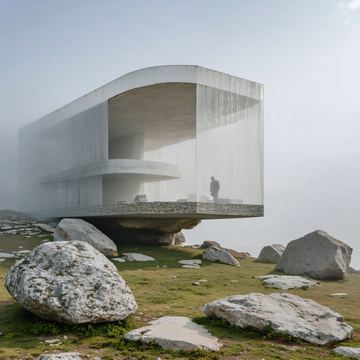
You can see this “breakable beauty” in several works. Restaurant Mestizo in Santiago is partly set into the ground. Pite House in Papudo is shaped to protect people from strong wind and harsh light. Chile Antes de Chile expanded a museum through reuse, not replacement. In London, his 2014 Serpentine Gallery Pavilion used a translucent fiberglass shell resting on huge stones, creating shelter without fully closing off the park. His Teatro Regional del Biobío in Concepción also uses a soft, semi-transparent outer skin to control light and support sound inside. (pritzkerprize.com)
That is why Radić’s architecture feels so memorable. It does not try to shout. It seems to touch the land lightly, almost like a guest, not a master. In a time when many famous buildings aim to be bigger and louder, the 2026 Pritzker Prize chose an architect who shows another kind of beauty: gentle, uncertain, and deeply human. (pritzkerprize.com)