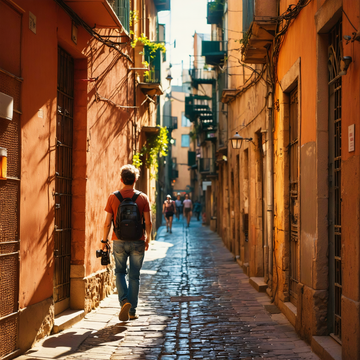
Have you ever been welcomed by a city and warned by it at the same time?
Imagine this. You land in southern Europe with a small suitcase, big holiday plans, and a phone full of restaurant pins. The streets are beautiful. The cafés are full. But the mood feels different now. In a recent Euronews report, Spain, Italy, and France were described as the main places where the backlash against overtourism is growing. And the pressure is easy to understand. Spain received more than 26.5 million international tourists in the first four months of 2026, up 3.4 percent from a year earlier, and June flight capacity into Spain was expected to reach about 13.1 million seats, 7.1 percent higher than June 2025. (euronews.com)
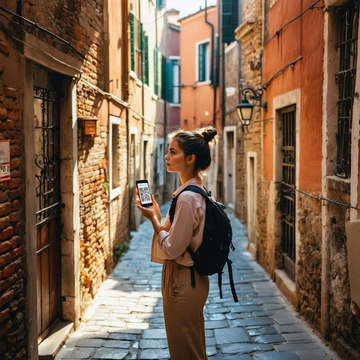
Now picture one traveler, maybe on a simple day trip to Venice. She learns that on selected peak days from April 3 to July 26, 2026, visitors to Venice’s historic center must register and pay an access fee between 8:30 a.m. and 4:00 p.m. If she books early, it is 5 euros. If she waits until the last few days, it becomes 10. Suddenly, sightseeing feels a little more like making an appointment. (cda.ve.it)
And then comes the turn. This is not only about one city. In Barcelona, the city’s tourism plan says the current 10,101 tourist-flat licences are expected to be revoked under the Catalan framework, as part of a push to protect housing for residents. Across the EU, new short-term rental transparency rules started applying on May 20, 2026, giving authorities more data from platforms and more power to manage tourist pressure. (ajuntament.barcelona.cat)
So the message is not exactly, “Don’t come.” It is closer to, “Come with care.” In Europe now, the smartest traveler may be the one who books ahead, follows the local rules, and remembers that someone else calls that postcard place home.