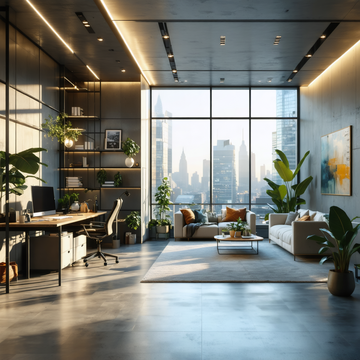
Can an empty office become a home? In 2026, more cities are trying to answer yes. The U.S. office market still has a high vacancy rate: CBRE said overall office vacancy was 18.6% in the first quarter of 2026. At the same time, a March 2026 RentCafe analysis, reported by Construction Dive, found 90,300 apartments in the office-to-housing pipeline, up 28% from a year earlier. CBRE also said that in 2025, office conversions and demolitions were set to remove more space than new office construction added for the first time since it began tracking this data in 2018. (cbre.com)
The idea behind this trend is easy to understand. Downtowns that were built for office workers now need more full-time residents. In a May 2026 report, Pew said many city leaders want to change old “9-to-5” business districts into neighborhoods with homes, shops, restaurants, and public spaces. That is why cities are offering help such as tax breaks, easier rules, and faster permits. But the work is not simple: old offices often need new kitchens, bathrooms, windows, and elevators, and high building costs still make many projects difficult. (pew.org)
New York is one of the clearest examples. The city’s Office Conversion Accelerator gives building owners a single point of contact inside government, and the 467-m program offers a tax incentive for eligible rental conversions that begin by June 30, 2031. The New York City comptroller estimated that the post-pandemic pipeline through March 2025 could create about 17,400 homes in 44 buildings. In May 2025, city and state officials approved the conversion of 5 Times Square into up to 1,250 homes, including 313 permanently affordable units. (home4.nyc.gov)
Washington, D.C., is moving in the same direction with its Housing in Downtown program, which offers a 20-year tax abatement for commercial-to-residential projects. Still, office conversions are not a magic answer. CBRE says they will not solve the national housing shortage on their own. But in the right building, they can turn a silent office block into a place where people actually live. (dob.dc.gov)