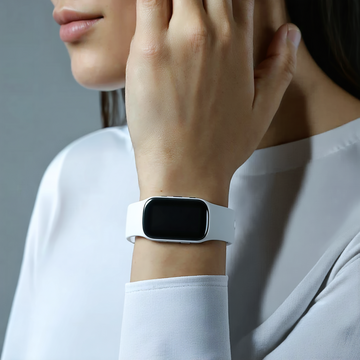
The future of fitness may involve looking less, not more. On May 7, 2026, Google introduced the Fitbit Air, a screenless tracker designed for people who find wearables too bulky, complicated, or distracting. Instead of asking you to keep checking your wrist, it quietly collects data in the background: 24/7 heart rate, heart rhythm monitoring with AFib alerts, SpO2, resting heart rate, heart-rate variability, sleep stages, and automatic workout detection. Google says the device offers up to a week of battery life, fast charging, and compatibility with both Android and iOS. Pre-orders opened at $99.99, with a Stephen Curry special edition priced at $129.99 and scheduled to reach U.S. stores on May 26. (blog.google)
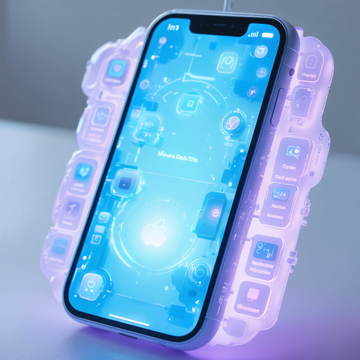
What makes the launch especially significant is that Fitbit Air is not just a new band; it arrives alongside a larger software shift. Google has rebranded the Fitbit app as the Google Health app, which is meant to combine data from wearables, Health Connect, Apple Health, and medical records in one place. Google Health Coach becomes publicly available on May 19 through Google Health Premium, starting at $9.99 per month or $99 per year, and every Fitbit Air includes a three-month trial. In other words, the screen disappears, but the analysis becomes deeper: the wearable fades into daily life while the phone app becomes the place for reflection, planning, and coaching. (blog.google)
Fitbit Air also reflects a broader movement in wearables. WHOOP still sells a screenless strap through memberships that start at $199 a year, while Polar’s Loop presents itself as a screen-free, subscription-free band for sleep, recovery, and daily activity. Oura makes a similar argument from a different form factor, saying its ring is almost weightless and “never beeps, shouts or demands unnecessary attention.” Together, these devices suggest that the next stage of fitness technology may be less about staring at numbers all day and more about building habits through quiet, continuous measurement. For language learners, “screenless” is not just a product feature; it is a cultural signal. In a world full of alerts, the most advanced technology may be the kind that knows when to stay out of sight. (whoop.com)