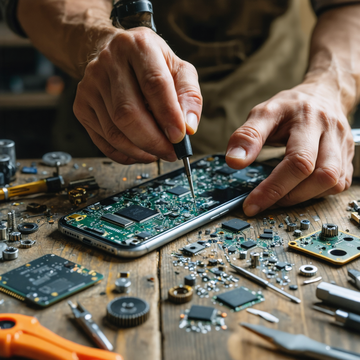
When a phone screen cracks or a washing machine stops working, many people make the same quick decision: buy a new one. Germany now wants to make a different choice easier. On March 25, 2026, the federal cabinet approved a draft bill on the “right to repair,” aiming to push consumers and manufacturers away from a throwaway culture and toward longer product life. The proposal is part of Germany’s implementation of the EU Right to Repair Directive, which entered into force in 2024 and must be applied by member states by July 31, 2026. (bundesregierung.de)
The German draft includes several practical changes. Consumers would be able to demand repair from manufacturers for the usual lifespan of certain products. The government also says manufacturers should repair covered devices for a reasonable price, and make spare parts and tools available at a reasonable price as well. If a buyer chooses repair during the seller’s liability period, Germany plans to extend the normal two-year warranty to three years. The draft also makes an important legal point: if a product cannot be repaired even though repair would normally be expected, that can count as a defect, giving consumers warranty rights. (bundesregierung.de)
This matters beyond Germany. According to the Council of the EU, throwing away repairable goods creates around 35 million tonnes of waste, uses 30 million tonnes of resources, and produces 261 million tonnes of greenhouse-gas emissions each year in the EU. The European rules are designed to make repair easier, cheaper, and faster, while also strengthening the repair sector and encouraging companies to build products that last longer. Covered examples under the EU framework include goods such as washing machines, vacuum cleaners, and mobile phones. (consilium.europa.eu)
Will this really change society? Maybe—but probably not overnight. Laws can open the door, but habits are harder to fix than machines. If repair is affordable, quick, and convenient, more people will choose it. If not, many will still prefer the simplicity of buying new. So Germany’s draft bill is best seen not as the end of throwaway culture, but as a serious attempt to make repair normal again. (bundesregierung.de)