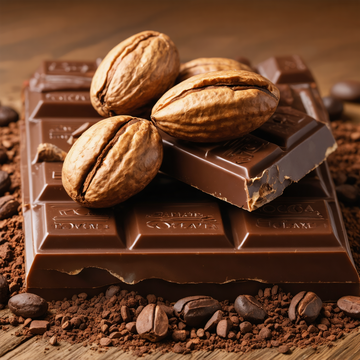
At first glance, the chocolate aisle seems irrational. Cocoa prices have dropped sharply, yet many chocolate bars still feel expensive. The reason is that the raw bean market and the retail shelf move at very different speeds. The International Cocoa Organization said on February 27, 2026, that the 2024/25 season had shifted to a global surplus of 75,000 tonnes, with end-of-season stocks expected to rise to 1.347 million tonnes. On March 18, 2026, the ICCO daily cocoa price was about $3,288 per tonne. AP also reported on February 13, 2026, that cocoa prices had fallen nearly 70% from Valentine’s Day 2025 levels. (icco.org)
Why did cocoa fall? Supply conditions improved after the crisis of 2024, when poor weather and crop disease in West Africa sent prices soaring. AP reported that weather had improved in Ivory Coast and Ghana, and that production was also increasing in Ecuador and other countries. At the same time, high chocolate prices weakened demand: in the United States, NIQ data cited by AP showed that chocolate sales value rose 6.7% in 2025 mainly because of higher prices, while the number of units sold fell 1.3%. In other words, the market cooled not only because more cocoa was available, but also because fewer people were buying as much chocolate. (apnews.com)
So why are store prices still high? First, chocolate makers often buy cocoa months in advance through long-term contracts, so they may still be using expensive inventory bought earlier. Second, companies know the market is still volatile, so they are cautious about cutting prices too quickly. Third, if customers continue to accept higher prices, brands and retailers have little incentive to lower them. That helps explain why U.S. retail chocolate prices were still 14% higher in early February 2026 than a year earlier, and why some manufacturers have continued to use price hikes or smaller pack sizes. In short, cheaper cocoa can eventually help, but a cheaper cocoa future does not instantly become a cheaper chocolate bar. (apnews.com)