The GLP-1 era is forcing restaurants to rethink a very old assumption: that “value” means abundance. In FAIR Health’s claims analysis, the share of commercially insured U.S. adults prescribed a GLP-1 drug rose from 0.9% in 2019 to 4.0% in 2024, while use specifically for overweight or obesity climbed from 0.30% to 2.05%. KPMG, describing GLP-1 users as a “new kind of consumer,” estimated that the average user consumes about 21% fewer calories and noted survey evidence that many users are spending less on groceries, takeout, and restaurants. (fairhealth.org)
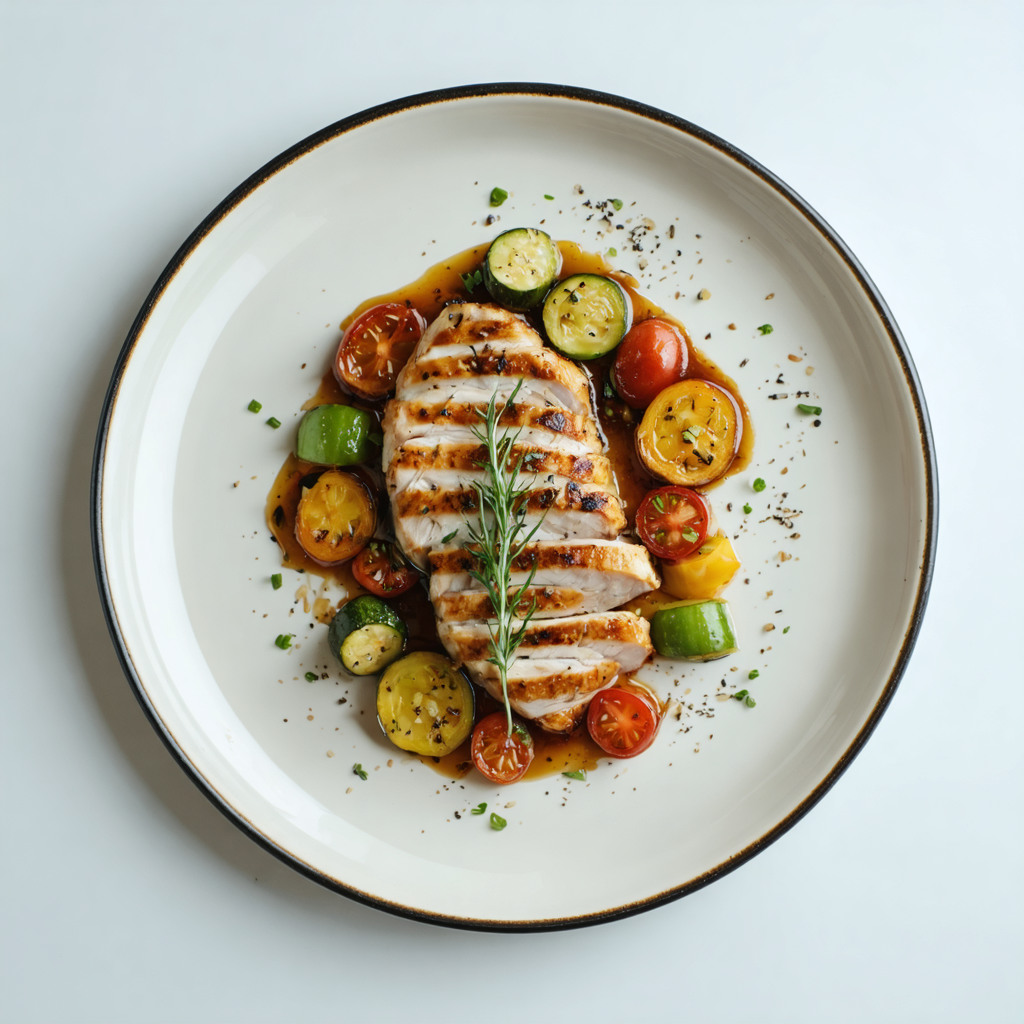
Yet the real shift is not merely toward eating less; it is toward demanding more from less. As the Associated Press reported in March 2026, diners using GLP-1 drugs tend to seek nutritionally dense foods that are lower in fat and higher in protein and fiber, because reduced appetite makes every bite comparatively more consequential. That logic has already produced striking experiments: Cuba Libre’s GLP-Wonderful menu, developed with a weight-loss specialist, recast a nearly 1,000-calorie pollo asado as a 400-calorie version still rich in protein and fiber; Smoothie King, for its part, launched a nationwide GLP-1 Support Menu on October 29, 2024, built around smoothies with at least 20 grams of protein, fiber, and no added sugar. (apnews.com)
Large chains are now institutionalizing the same idea in more discreet, mainstream language. Olive Garden completed the rollout of its Lighter Portions section in January 2026, adding smaller versions of popular dishes at lower prices; Darden said the format improved value perceptions, boosted portion-size ratings, and increased frequency among guests who ordered from it. Chipotle moved even more explicitly, unveiling its first High Protein Menu on December 18, 2025 and linking it to both the rise of GLP-1s and a broader consumer fixation on macronutrients. That broader fixation matters: in IFIC’s 2025 Food & Health Survey, “good source of protein” overtook “fresh” as Americans’ top criterion for defining a healthy food, and 70% said they were trying to consume protein. So the restaurant revolution of the GLP-1 age is not a fad for dieters; it is a deeper recalibration of appetite, health signaling, and economic value—one in which smaller plates can feel not impoverished, but exquisitely precise. (s27.q4cdn.com)