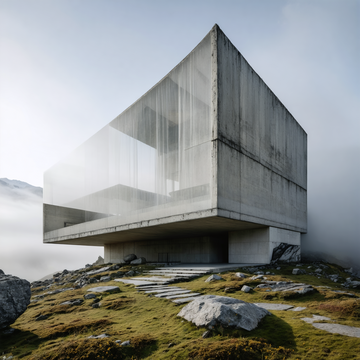
In 2026, the Pritzker Architecture Prize chose Smiljan Radić Clarke of Santiago, Chile, as its new laureate. The prize describes itself as architecture’s highest distinction, and the official announcement says Radić is the 55th laureate. The jury praised him for buildings that may look light, fragile, or even unfinished, but still give people a feeling of shelter, hope, and quiet joy. Instead of repeating one famous style, he lets each project grow from its place, history, and everyday use. (pritzkerprize.com)
Radić was born in Santiago to a family with Croatian and British roots. As a child, he loved drawing, and he first met architecture through a school task when he was fourteen. He studied architecture at Pontificia Universidad Católica de Chile and graduated in 1989. After that, he studied history in Venice and traveled widely, experiences that became very important to his ideas. In 1995, he opened his own studio in Santiago, and he still keeps his practice small and personal. (pritzkerprize.com)
His work includes houses, public buildings, and temporary projects. Some well-known examples are Pite House in Papudo, Restaurant Mestizo in Santiago, the Serpentine Gallery Pavilion in London, NAVE Performing Arts Center in Santiago, and Teatro Regional del Biobío in Concepción. In these projects, simple materials such as stone, concrete, wood, glass, and fabric become something surprising. For Radić, architecture is not only about shape. It is also about light, sound, weather, and the human feeling inside a space. (pritzkerprize.com)
Another touching part of his story is his creative partnership with sculptor Marcela Correa, who later became his wife. Together they designed Casa Chica, a tiny 24-square-meter house in the Andes, and built it by hand. This helps us understand why his architecture often feels close to art and nature. Radić’s 2026 win is a reminder that a building does not need to be huge or flashy to be powerful. Quiet places can also leave a strong impression. (pritzkerprize.com)