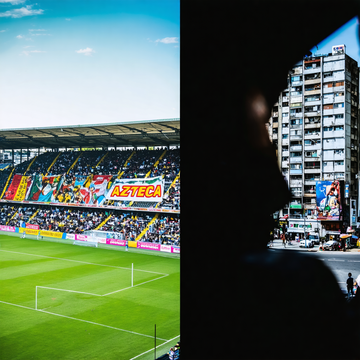
As the 2026 World Cup approaches, Mexico City is preparing for a triumphant global spectacle. FIFA has confirmed that the tournament will begin there on June 11, 2026, making the city’s stadium the first ever to host three World Cup opening matches. City officials say the capital is coordinating with FIFA, hotels and local agencies to receive millions of visitors, and the tourism secretariat says Mexico City has more than 63,000 rooms in roughly 800 hotels, alongside a broader cultural offer of museums, plazas and restaurants. (fifa.com)
Yet the celebration has a shadow. In July 2025, hundreds of residents marched against rising housing costs and mass tourism; AP reported that part of the protest turned violent, while President Claudia Sheinbaum condemned xenophobic slogans. A week later, the city announced a preliminary anti-gentrification plan, after experts and residents linked housing pressure to tourism growth and the arrival of foreign “digital nomads.” AP also noted that the controversy was sharpened by a 2022 agreement, signed when Sheinbaum was mayor, between Mexico City, Airbnb and UNESCO to promote tourism and attract remote workers. (apnews.com)
The government now says it is taking the problem seriously. Mayor Clara Brugada’s “Bando Uno” package proposes 14 measures to keep the city habitable and affordable, including preventing rent increases from rising above inflation and tightening regulation of temporary lodging. But for many residents, the pressure is no longer abstract. More recently, AP reported that sex workers and street vendors along Calzada de Tlalpan said World Cup-related construction and “cleanup” projects had cut incomes, disrupted mobility and pushed some workers out of long-used spaces near the stadium corridor. (jefaturadegobierno.cdmx.gob.mx)
That is what makes Mexico City so compelling—and uneasy—before the World Cup. The city wants to welcome the world, and it probably will. But based on the protests, policy changes and complaints from workers, the deeper contest is over who gets to remain in the city once the cheering starts. (apnews.com)