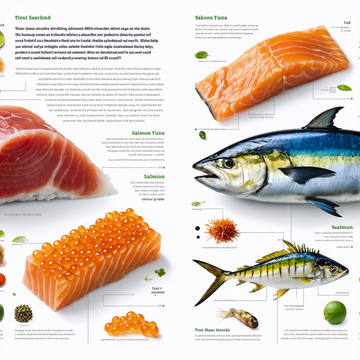
For many people, seafood means tuna, salmon, or shrimp from the ocean. But a new generation of products is changing that idea. In Japan, NH Foods launched a plant-based tuna sashimi for restaurants in July 2024. It is made from ingredients such as powdered konjac and dietary fiber, but it is designed to copy the aroma and texture of raw tuna. Nichirei Fresh has also tested a salmon roe alternative made from kelp. The company says it is cholesterol-free and is targeting people who worry about cholesterol or fish-egg allergies. (thefishsite.com)
Japanese companies are not only copying fish itself. Fuji Oil has also been working on seafood flavor. In November 2024, it launched Yasashii Tsuyu, a plant-based soup base with a bonito-like taste. Then, in February 2025, Fuji Oil expanded its MIRACORE lineup with plant-based ramen soups, including a seafood-and-salt flavor. According to the company, these products are already being used at restaurants, hotels, and tourist sites that need meals for guests with different dietary needs. (fujioil.co.jp)
This trend is growing outside Japan, too. On May 28, 2025, the U.S. Food and Drug Administration said it had no questions at that time about Wildtype’s conclusion that its cultivated coho salmon cells are as safe as comparable foods made by other methods. Wildtype then began serving its cultivated salmon at Kann in Portland in late May 2025, and later expanded to restaurants in San Francisco, Seattle, and Tucson. In March 2026, Seafood Expo North America even presented cell-cultivated seafood as a new “third category,” alongside wild-caught and farmed seafood. At the same event, BlueNalu showed its bluefin tuna products as it prepared for launch. (fda.gov)
Why is this interesting? Because food is no longer only about taste. Some customers want vegetarian choices, some need food that fits religious rules, and others worry about health or limited fishery resources. These new products will not replace traditional seafood soon, but they are becoming more realistic and more common. In the future, “seafood” may still taste like fish, yet its story could begin with plants, cells, and smart food technology instead of a fishing boat. (seafoodsource.com)