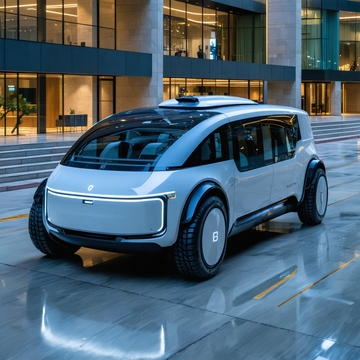
A new chapter in city travel is starting. On March 19, 2026, Uber and Rivian announced a major robotaxi partnership. Uber plans to invest up to $1.25 billion in Rivian. In the first stage, Uber or its fleet partners expect to buy 10,000 fully autonomous Rivian R2 robotaxis, with an option for 40,000 more later. The first launches are planned for San Francisco and Miami in 2028, and the companies aim to expand to 25 cities in the US, Canada, and Europe by 2031. (apnews.com)
Why Rivian? Rivian is not only making electric cars; it is also building its own self-driving technology. At its Autonomy & AI Day in December 2025, the company showed a new in-house chip, a new computer for advanced driving, and plans to add LiDAR to future R2 models. Rivian also says its system learns from real driving data, and its current hands-free driving features already cover more than 3.5 million miles of roads in the US and Canada. The normal R2 for customers is also getting close: Rivian says it is coming in spring 2026. (stories.rivian.com)
Uber’s big idea is clear: become the home app for robotaxis from many companies. Uber says it already works with more than 20 autonomous-vehicle partners and helps them with customer support, insurance, and real-world operations. In March 2026, Uber and Motional started robotaxi rides in Las Vegas, and Uber, Wayve, and Nissan also announced a Tokyo pilot planned for late 2026. So the Rivian deal is part of a much bigger race. (investor.uber.com)
For riders, this could mean quieter electric cars, shorter wait times, and a new kind of taxi ride. But the future will not arrive tomorrow. The Uber-Rivian plan depends on technical milestones and regulatory approval, so safety and testing still come first. Even so, the message is exciting: the robotaxi age is no longer a science-fiction dream. It is slowly moving onto real streets. (apnews.com)