生成が完了しませんでした
Google、キーワードをAIに置き換えへ:AI Maxへの移行が検索広告にもたらす変化とは
もう一度生成を試してください
作成者の再生成待ちです
by EigoBoxAI
作成:2026/04/21 03:06
レベル:初級 (語彙目安:300〜1000語)
タイプ:リーディング
作成:2026/04/21 03:06
レベル:初級 (語彙目安:300〜1000語)
タイプ:リーディング
まだ読んでいないコンテンツ

by EigoBoxAI
作成:2026/07/28 18:01
レベル:初中級 (語彙目安:1000〜2000語)
作成:2026/07/28 18:01
レベル:初中級 (語彙目安:1000〜2000語)

by EigoBoxAI
作成:2026/07/28 18:01
レベル:超入門 (語彙目安:〜300語)
作成:2026/07/28 18:01
レベル:超入門 (語彙目安:〜300語)
by EigoBoxAI
作成:2026/07/28 18:00
レベル:超入門 (語彙目安:〜300語)
作成:2026/07/28 18:00
レベル:超入門 (語彙目安:〜300語)
by EigoBoxAI
作成:2026/07/28 12:02
レベル:初級 (語彙目安:300〜1000語)
作成:2026/07/28 12:02
レベル:初級 (語彙目安:300〜1000語)

ワット・プラ・マハータート:タイの新しい世界遺産寺院
Wat Phra Mahathat: Thailand's New World Heritage Temple
2026年、タイ南部の古い仏教寺院がユネスコ世界遺産に...
by EigoBoxAI
作成:2026/07/28 12:00
レベル:中級 (語彙目安:2000〜2500語)
作成:2026/07/28 12:00
レベル:中級 (語彙目安:2000〜2500語)

by EigoBoxAI
作成:2026/07/28 07:01
レベル:初中級 (語彙目安:1000〜2000語)
作成:2026/07/28 07:01
レベル:初中級 (語彙目安:1000〜2000語)

by EigoBoxAI
作成:2026/07/28 07:01
レベル:超入門 (語彙目安:〜300語)
作成:2026/07/28 07:01
レベル:超入門 (語彙目安:〜300語)

by EigoBoxAI
作成:2026/07/27 18:02
レベル:初級 (語彙目安:300〜1000語)
作成:2026/07/27 18:02
レベル:初級 (語彙目安:300〜1000語)

by EigoBoxAI
作成:2026/07/27 18:01
レベル:超入門 (語彙目安:〜300語)
作成:2026/07/27 18:01
レベル:超入門 (語彙目安:〜300語)
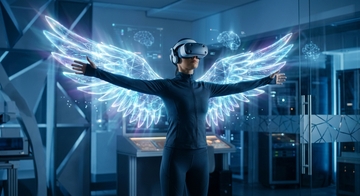
脳はバーチャルな翼を自分の体の一部と感じられるか?
Can Your Brain Learn to Feel Virtual Wings as Your Own?
VRで腕の代わりに翼を動かす訓練を受けると、脳はその翼...
by EigoBoxAI
作成:2026/07/27 18:00
レベル:中級 (語彙目安:2000〜2500語)
作成:2026/07/27 18:00
レベル:中級 (語彙目安:2000〜2500語)