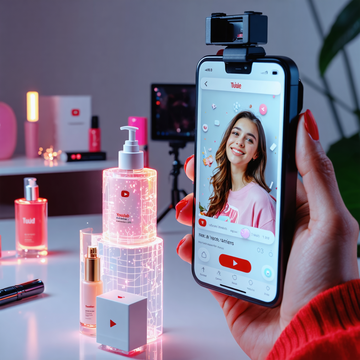
YouTube Shopping is becoming a much bigger opportunity for micro creators. On March 25, 2026, YouTube announced that its Shopping affiliate program would expand to all eligible creators in the YouTube Partner Program with at least 500 subscribers. These creators can tag products in Shorts, long-form videos, and live streams, so viewers can shop while they watch. In practice, this lowers the barrier to entry dramatically: a small channel about cosmetics, home gadgets, or daily cooking can start earning from product recommendations much earlier than before. (blog.youtube)
The scale of this change is already visible. YouTube said that, as of July 2025, more than 500,000 creators were enrolled in YouTube Shopping globally, while gross merchandise volume had grown five times year over year. In August 2024, YouTube also expanded its Shopify partnership so eligible Shopify Plus and Advanced merchants in the United States could join the affiliate program, giving creators access to thousands of brands. At the same time, YouTube has been building tools that make creator marketing more professional: a Creator Partnerships hub helps advertisers find creators, creators can set suggested rates and share audience insights, and YouTube is adding AI systems to recommend matches and show product tags at the moment when viewer interest is highest. (blog.youtube)
For marketers, the meaning is clear: influence on YouTube is shifting away from pure size and toward trust, fit, and timing. YouTube’s own shopping research says creators work as trusted sources, while communities built around shared interests can strongly shape buying decisions. That is good news for micro creators, whose audiences are often smaller but more focused. A viewer may ignore a famous celebrity’s generic ad, yet listen carefully to a creator who seems knowledgeable and honest. As YouTube makes shopping smoother and more data-driven, micro-creator marketing is likely to become more practical, more measurable, and much more important. (blog.youtube)