On April 10, 2026, the U.S. government reported a sharp jump in prices in March. The Consumer Price Index rose 0.9% from February and 3.3% from a year earlier. Energy was the main reason. The energy index climbed 10.9% in one month, and gasoline alone jumped 21.2%. In fact, gasoline explained nearly three quarters of the monthly rise in overall CPI. By contrast, food prices were unchanged in March, while “core” inflation, which excludes food and energy, rose a smaller 0.2%. (bls.gov)
What does this mean for families? For many people in the United States, driving is part of daily life. BLS says the average household spent $2,411 on gasoline in 2024. Total household spending averaged $78,535 a year, or about $6,545 a month, and transportation took 17.0% of that budget. If a 21.2% gasoline increase continued for a full year, the average household would spend about $500 more on gas. That is a big change for a family budget. It could mean eating out less, canceling a short trip, or waiting before buying something new. (bls.gov)
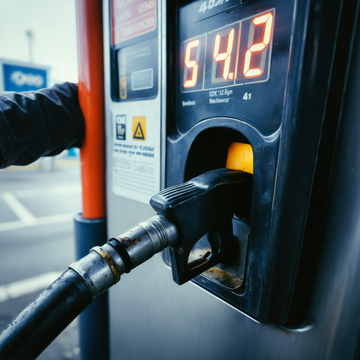
The pressure was already clear at gas stations in early April. According to the U.S. Energy Information Administration, the national average price for regular gasoline reached $4.12 per gallon on April 6, 2026. That was 13 cents higher than the week before and 88 cents higher than a year earlier. So, inflation is not only a difficult word from the news. It is also a real-life feeling: when people fill up their cars, they may have less money left for the rest of the month. For English learners, this is an important point. When you hear “inflation is rising,” think about everyday life, not only economics. (eia.gov)