If you have noticed more “mini meals” or “lighter portions” at restaurants, you are not imagining it. In March 2026, AP News reported that many U.S. restaurants, from local family places to big chains, are adding smaller dishes. The reason is simple: many customers still want to eat out, but they want meals that cost less, feel healthier, and create less waste. (apnews.com)
Money is a big part of this change. The National Restaurant Association says 61% of adults still see dining out as an important part of life, even when budgets are tight. At the same time, restaurants are under pressure too. The group says 42% of operators were not profitable in 2025, and food costs are now 34% higher than before the pandemic. That means restaurants cannot always keep raising prices, so smaller portions can be a smart way to offer better value. (go.restaurant.org)
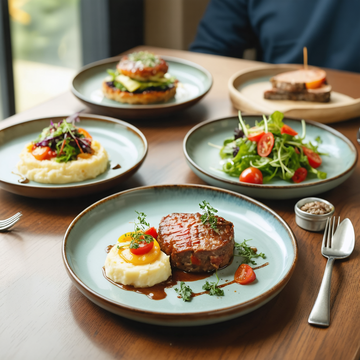
There are clear examples. Daniel Girls Farmhouse Restaurant in Indiana started an eight-item “Mini Meals” menu in late 2025 after customers asked for smaller portions. One meal is a half piece of meatloaf with vegetables, mashed potatoes, and gravy for $8, and the menu now makes up about 20% of orders. Olive Garden rolled out its seven-item “Lighter Portions” menu across the U.S. in January 2026. AP also says P.F. Chang’s, The Cheesecake Factory, and TGI Fridays have added similar smaller options. (apnews.com)
Health is another reason. AP says younger customers often snack more and eat smaller meals, while some older diners simply do not want huge plates anymore. Some restaurants are also serving people who use GLP-1 medicines such as Wegovy, Zepbound, Ozempic, and Mounjaro. These customers often prefer smaller meals that are high in protein and fiber and lower in fat. Experts say this may not be a short trend. It could be a long-term change in how people think about food, value, and waste. (apnews.com)