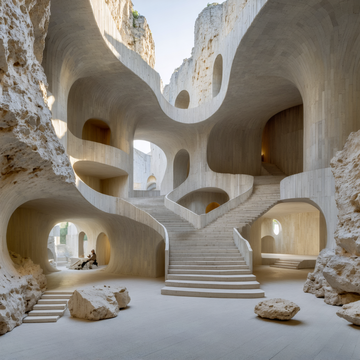
In 2026, the Pritzker Architecture Prize went to Smiljan Radić Clarke of Santiago, Chile. The prize is widely seen as architecture’s highest honor. The jury praised Radić for work that brings together fragility, material experimentation, and cultural memory. Instead of repeating one famous style, he treats each project as a new question. Radić says architecture should create “emotional presence” and help people pause in a world that often moves too fast. (pritzkerprize.com)
What does this mean in real buildings? His 2014 Serpentine Pavilion in London was a light shell placed on top of huge stones, so visitors could feel both protected and open to the park. In Teatro Regional del Biobío, completed in Concepción in 2018, a soft outer skin controls light and supports sound for performances. In House for the Poem of the Right Angle in Vilches, openings were placed carefully to catch light and time, creating a quiet space for thought. The jury said his buildings are not only things to look at; they ask people to experience them with the whole body. (pritzkerprize.com)
Radić’s personal story also helps explain his architecture. He was born in Santiago to a family with Croatian and British roots, and he has said that sometimes people must “produce” their own roots. Maybe that is why many of his buildings feel like shelters: gentle, unusual, and deeply human. For English learners, his work gives us a useful idea. Great architecture is not only about size or beauty. It can also move our feelings, slow us down, and help us notice the world again. (pritzkerprize.com)