Kyoto is one of Japan’s most beautiful cities, but its popularity now brings a new cost. On March 1, 2026, Kyoto City started its revised accommodation tax. The tax is charged per person, per night. It stays 200 yen for rooms under 6,000 yen, but it rises step by step and reaches 10,000 yen for rooms that cost 100,000 yen or more. Kyoto says the money will help support sustainable tourism, protect culture and scenery, and improve city infrastructure. The city estimated that the revised tax could bring in about 12.6 billion yen a year. (city.kyoto.lg.jp)
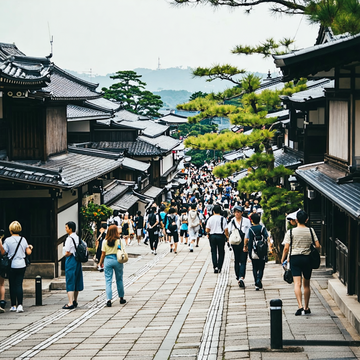
Why did Kyoto make this change? One big reason is overtourism, which means there are too many tourists in some places at some times. In 2024, Kyoto welcomed about 56.06 million visitors, including a record 10.88 million foreign visitors. Popular areas such as Gion, Kiyomizu, Kyoto Station, Arashiyama, and Fushimi Inari are especially crowded. Kyoto’s official tourism plan says some city bus routes become so full that local people say they cannot get on. In a 2024 city survey, 83.1% of residents said they were troubled by crowding or bad manners. (city.kyoto.lg.jp)
The tax is not only about collecting money. Kyoto wants tourism to be better for residents, visitors, and local businesses. Official plans say the city will try to spread visitors to quieter areas, promote early-morning and evening sightseeing, and encourage people to use railways and the subway, not only buses. The city also notes that overnight visitors are especially important because they spend more money and often enjoy more experiences across the city. (city.kyoto.lg.jp)
So, Kyoto’s message is not “Please don’t come.” It is closer to “Please come carefully.” If visitors respect local rules, avoid the busiest times, and explore less famous neighborhoods, the city can remain both a wonderful home for residents and a special place for travelers. The new tax is a small sign of a bigger idea: beautiful cities need care, not only admiration. (city.kyoto.lg.jp)